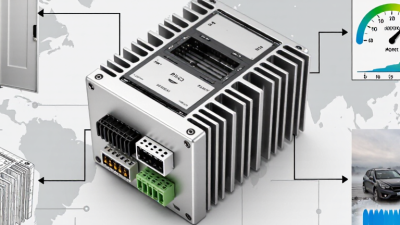
How to Choose Mil COTS DC DC Converters for Global Buyers
Choosing Mil-COTS DC-DC Converters for global projects requires more than comparing output voltage and purchase price. Buyers must connect electrical performance with real operating conditions, documentation quality, and long-term supply confidence. A converter that performs well on a laboratory bench may behave differently inside a sealed enclosure, beside high-power switching devices, or at extreme temperatures. Small details matter, including input transients, efficiency at partial load, isolation voltage, startup behavior, and thermal derating.
Begin with the system requirements, not the catalog headline. Define the input range, regulated outputs, power margin, ripple limits, cooling method, and expected service environment. Review the manufacturer’s datasheet carefully. Ask for qualification reports, inspection records, reliability data, and change-notification policies when available. Experienced engineers also examine mechanical drawings, mounting constraints, pin assignments, and electromagnetic compatibility information before approving a sample. A five-minute review can prevent weeks of redesign.
Global buyers should assess more than technical fit. Confirm production location, lead times, traceability, warranty terms, technical support, and regional logistics. Documentation should be clear enough for design teams, quality engineers, and procurement staff in different countries. Independent testing may be worthwhile for demanding applications. It adds cost, but assumptions can cost more. No selection process is flawless. Datasheets may omit an inconvenient detail, and supplier promises can change. Therefore, compare evidence, test representative units, and document every decision. The best choice balances verified performance, practical integration, responsible sourcing, and dependable support throughout the product lifecycle.
Read more »

 By:Ethan
- October 25, 2026
 By:Olivia
- October 15, 2026