
AcQor® Baseplate Bricks
Fully encased 2xMOPP AC-DC power bricks providing conduction cooling capabilities for hermetically sealed medical devices.
Get Catalog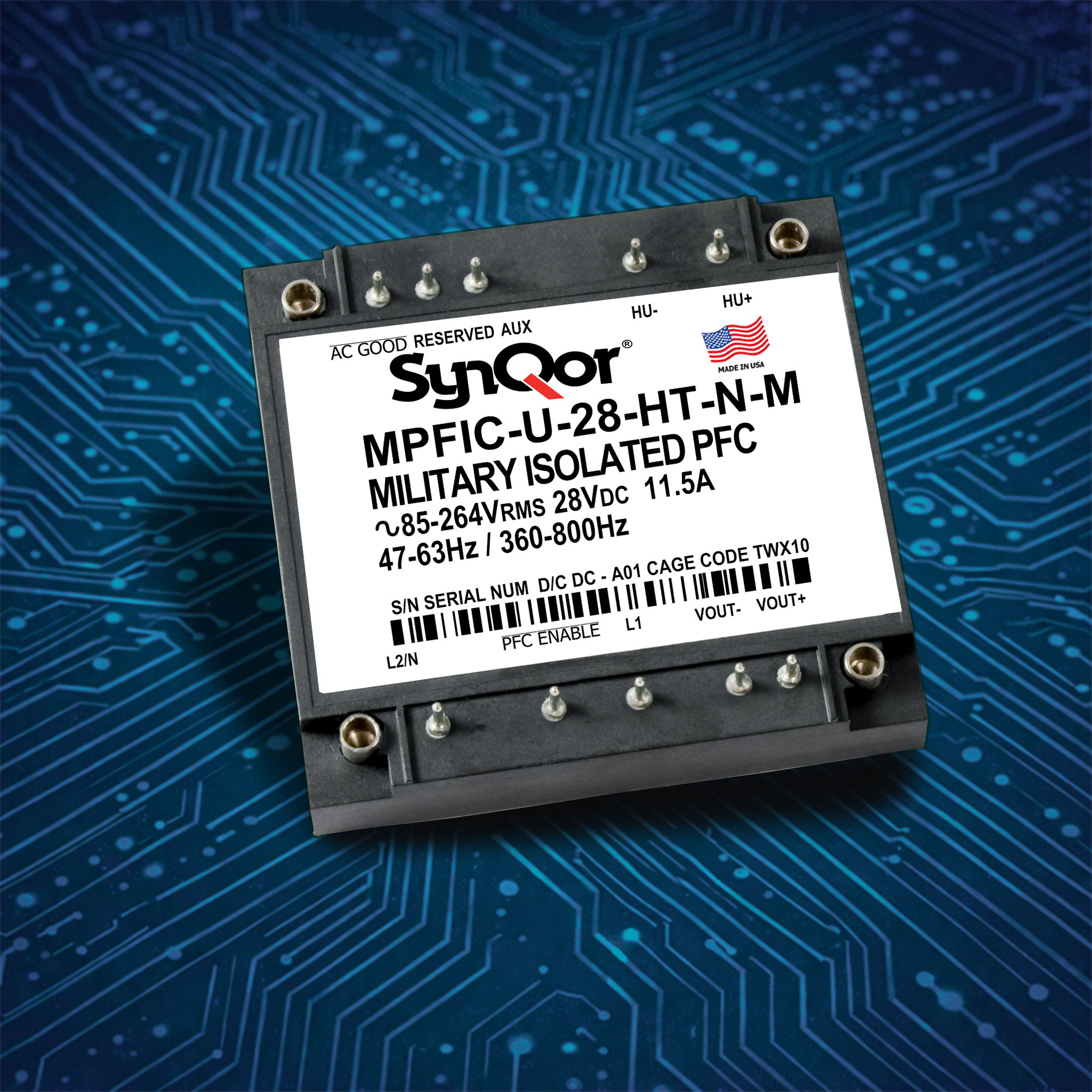


How do leading medical device OEMs guarantee 2xMOPP safety, sub-100µA leakage currents, and fanless thermal management in critical healthcare platforms? Explore our comprehensive technical guide, strategic product recommendations, and global procurement framework.
Selecting an AC-DC power supply for medical electrical equipment requires a multi-dimensional analysis that extends far beyond standard voltage and wattage specifications. In clinical environments, power converters serve as the primary defensive barrier protecting vulnerable patients and healthcare operators from lethal electrical shocks, electromagnetic interference (EMI), and thermal hazards.
Whether you are engineering a portable ultrasound unit, a surgical robot, an in-vitro diagnostic system, or a high-power CT/MRI imaging platform, understanding the mandatory safety thresholds defined by IEC 60601-1 (3rd & 4th Editions) is fundamental. Below, our senior power architecture team breaks down the non-negotiable engineering parameters required when integrating Medical Grade AC-DC Power Supplies into mission-critical hardware.
Under IEC 60601-1, safety insulation is classified into two distinct operational domains: Means of Operator Protection (MOOP) and Means of Patient Protection (MOPP). Because patients in clinical settings may be unconscious, physically compromised, or skin-connected to conductive electrodes, electrical isolation requirements for MOPP are significantly more demanding than standard industrial or commercial standards (such as IEC 62368-1).
To maximize platform flexibility across global markets, specifying 2×MOPP compliant AC-DC converters ensures that your end device can be safely deployed in direct-patient contact environments without requiring additional isolation transformers or design redesigns.
Standard 8.0 mm creepage distances for 2×MOPP apply at altitudes up to 2,000 meters above sea level. For medical devices intended for high-altitude clinics or air ambulance transports operating up to 5,000 meters, altitude multiplication factors defined in IEC 60601-1 Table 22 must be applied, requiring physical creepage clearances of up to 11.8 mm across the isolation gap.
Earth leakage current, touch current, and patient leakage current represent the microscopic electrical currents that flow from the AC line through stray parasitic capacitances in the power supply to the protective earth or chassis. In surgical or cardiac intervention procedures, even microampere-level leakage currents passing through an applied electrode can cause fatal cardiac arrhythmia (microshock).
Medical Grade AC-DC Power Supplies are carefully engineered to minimize internal parasitic winding capacitance inside high-frequency transformers. Applied parts are categorized under three distinct risk profiles:
SynQor’s AcQor® series of board-mountable, brick-format, and open-frame medical AC-DC converters deliver industry-leading power density, active power factor correction (PFC), and seamless compliance with global medical safety standards.
| Series / Model | Input Range | Output Voltage / Power | Isolation & MOPP | Efficiency | Key Features & Applications |
|---|---|---|---|---|---|
| AcQor® AC M3U-115 | 85–264 VAC (Universal) | 12V, 24V, 28V, 48V (Up to 800W) | 2×MOPP Primary-to-Secondary (4000 VAC) | 93% @ Full Load | Active PFC (>0.99), baseplate cooled, fanless, designed for surgical robots & portable imaging systems. |
| AcQor® AC M1U-230 | 85–264 VAC (Universal) | 24V, 48V Isolated Output (Up to 1400W) | 2×MOPP (4000 VAC) 1×MOPP (1500 VAC to Earth) | 94% @ Full Load | 1U low-profile enclosure, continuous monitoring telemetries, low acoustic noise for clinical ICUs. |
| MPFIC-115-3PD-FG | 3-Phase 115 VRMS Line-to-Line | 28V / 48V Bus (Up to 1500W) | Reinforced Medical Grade Isolation | 95% Peak Efficiency | Isolated 3-Phase PFC front-end module for high-power CT scanners, MRI suites, and mobile field hospitals. |
| AcQor® Isolated Brick Series | Full Universal Line (47–63 Hz) | Single & Dual Outputs (100W – 500W) | 2×MOPP Reinforced Isolation | 92% – 94% | Full-brick and half-brick package, zero minimum load requirement, conduction cooled for sealed enclosures. |
Fully encased 2xMOPP AC-DC power bricks providing conduction cooling capabilities for hermetically sealed medical devices.
Get CatalogUltra-compact 1U rack/chassis mount medical power systems engineered with active PFC and sub-100µA touch leakage current.
Get Catalog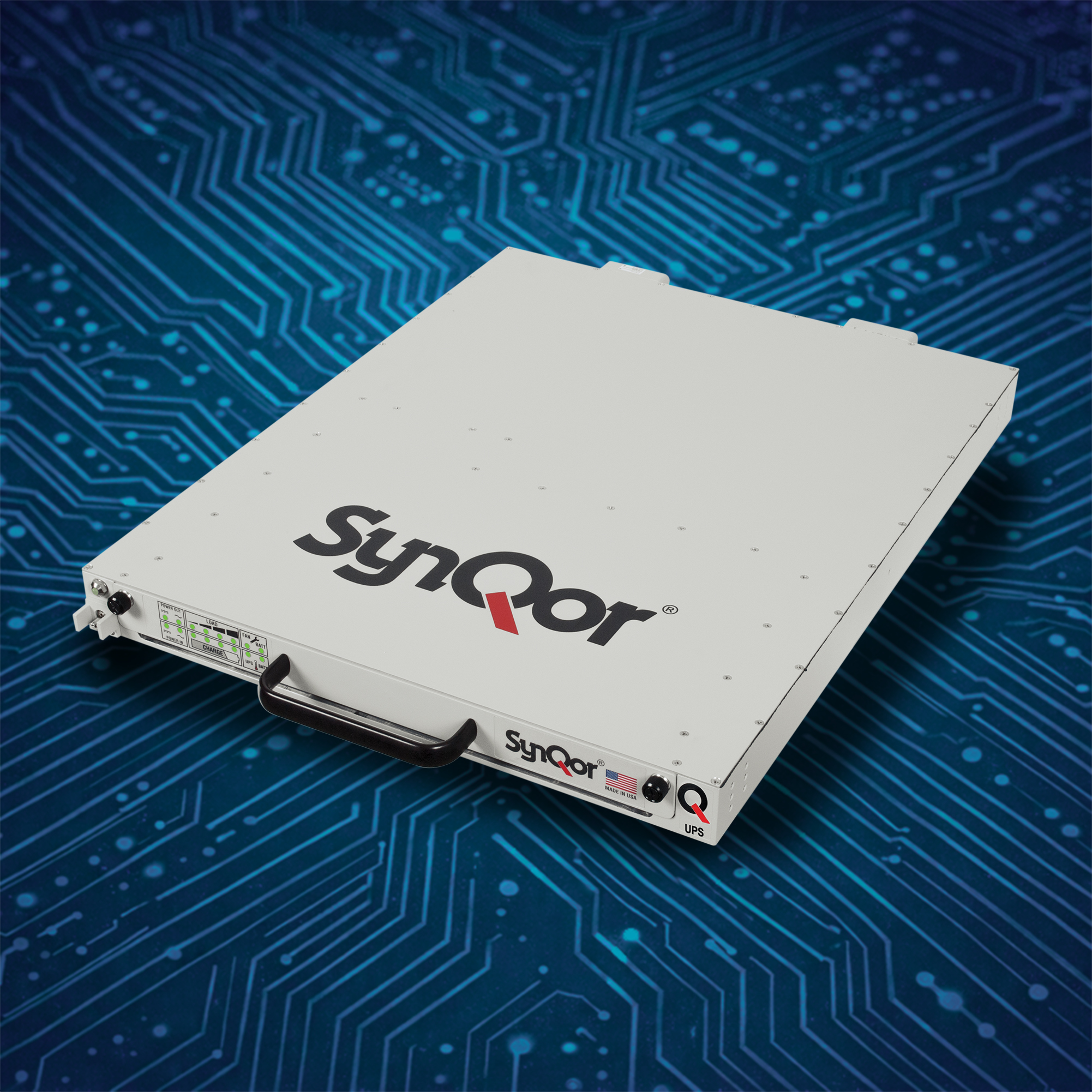
Industrial and medical field 3-phase power factor correction front-ends addressing high power demands with balanced phases.
Get Catalog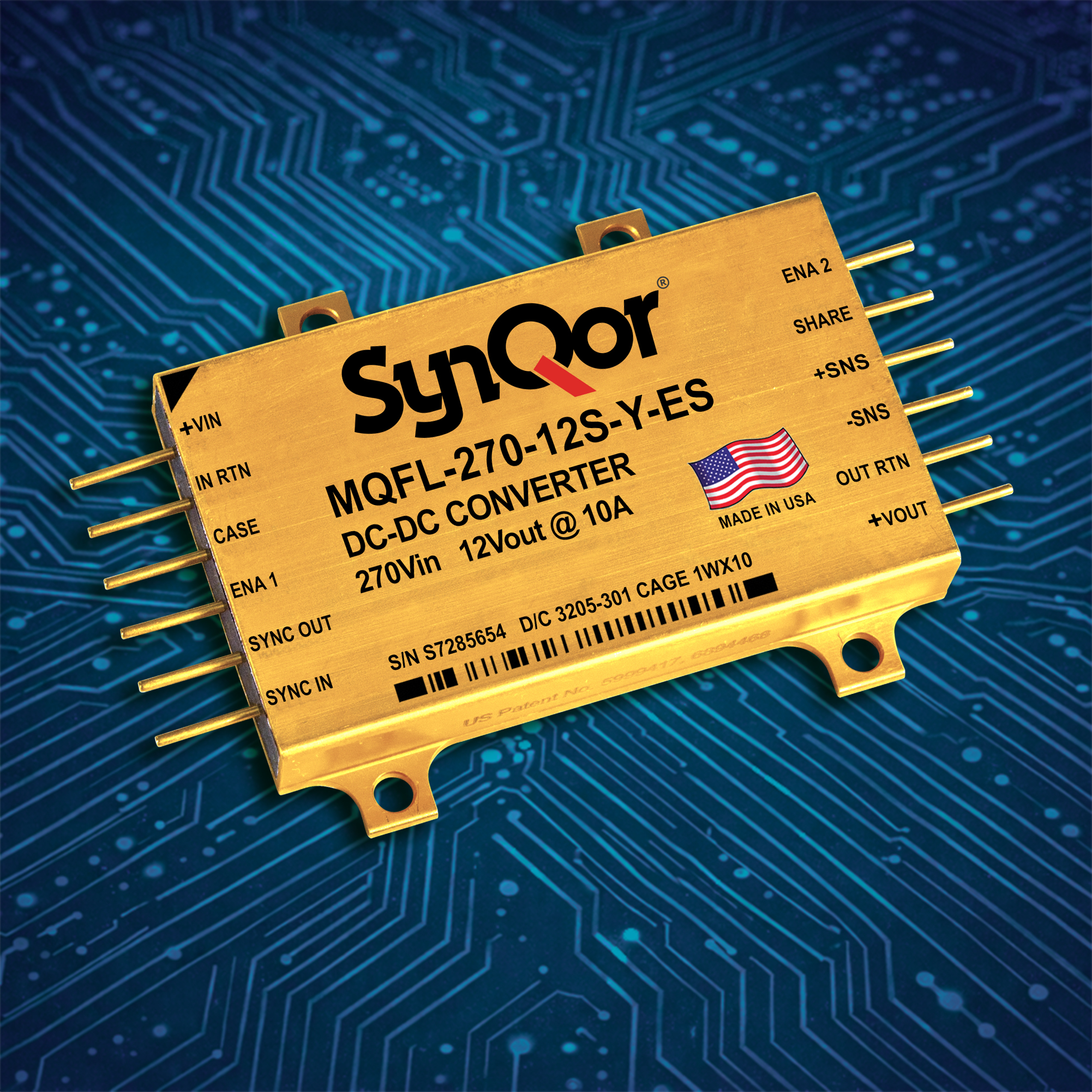
Tailored multi-output DC bus systems designed to power sensitive analog diagnostic sensors alongside high-torque motorized actuators.
Get Catalog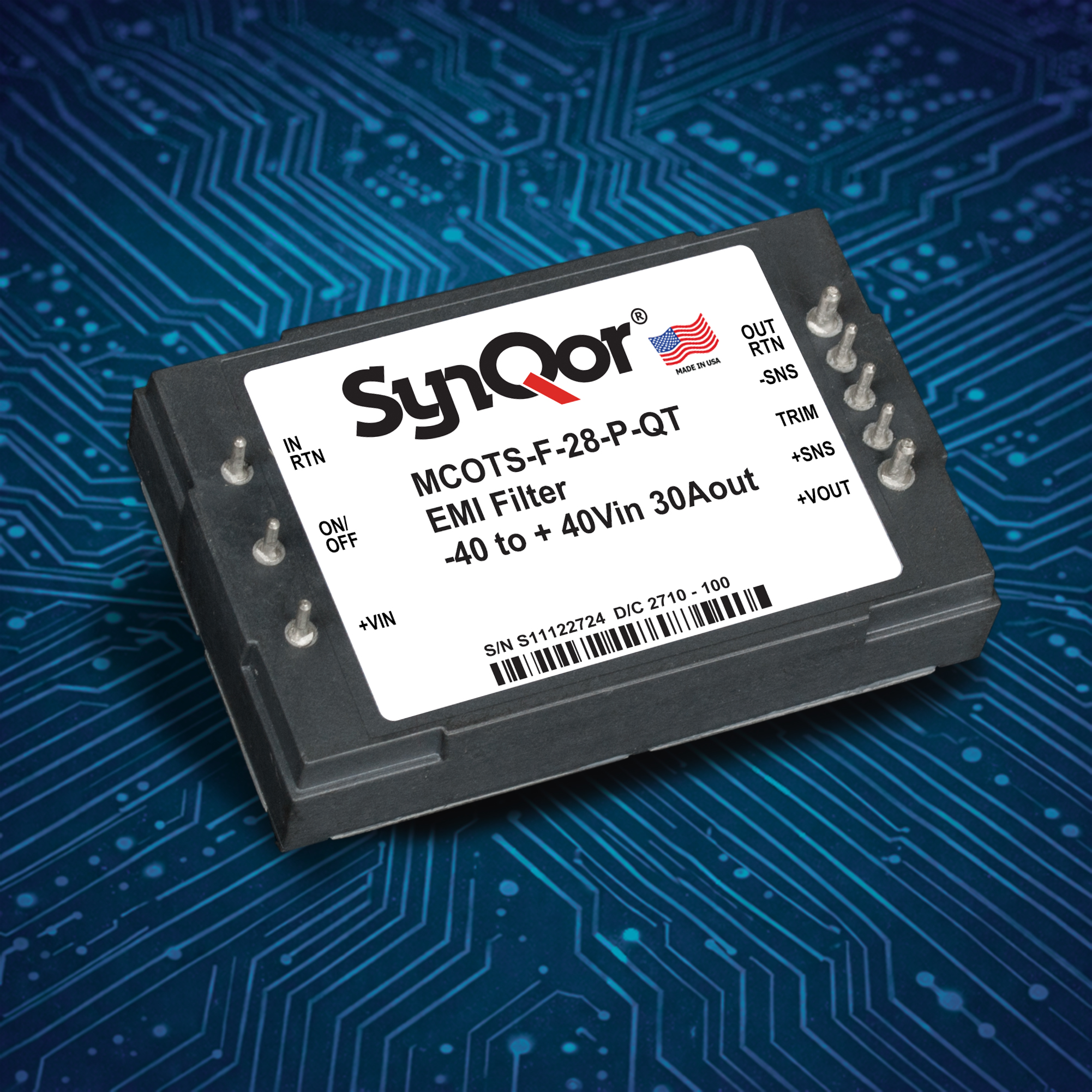
As the global healthcare sector rapidly transitions toward miniaturized diagnostic equipment, automated robotic surgery, and decentralized home healthcare (IEC 60601-1-11), procurement executives and chief technology officers face complex sourcing challenges. Sourcing medical power converters requires balancing strict regulatory compliance, long supply chain availability, and cutting-edge performance.
Gallium Nitride (GaN) and Silicon Carbide (SiC) switching devices are revolutionizing medical AC-DC topologies. By enabling switching frequencies exceeding 500 kHz to 1 MHz, wide bandgap semiconductors significantly reduce the physical size of magnetic components (transformers and inductors). This transition empowers OEMs to reduce power supply volume by up to 40% while raising efficiency beyond 95%. Higher efficiency directly reduces internal thermal dissipation, allowing high-power surgical tools to run completely fanless.
Traditional forced-air cooling fans introduce significant operational hazards in clinical settings: they stir up airborne particulates and bacteria in operating theaters, create audible stress for ICU patients, and represent the primary mechanical point of failure in electronic systems. The market is shifting heavily toward conduction-cooled brick converters that transfer heat directly to the equipment enclosure or cold plate, achieving totally silent operation and IP67/IP68 dust/water isolation.
Modern medical devices are incorporating digital power management interfaces such as PMBus or I²C. Procurement teams are prioritizing power supplies that provide real-time reporting of operating temperature, output voltage, load current, and input line quality. Digital telemetry enables predictive maintenance in multi-million dollar medical installations, preventing unexpected power outages during delicate surgical procedures.
Geopolitical volatility and component shortages have exposed severe vulnerabilities in off-shore commercial power manufacturing. Global medical OEMs are increasingly favoring USA-based design and manufacturing facilities operating under combined ISO-9001, AS9100, and ISO 13485 quality management systems. Onshore production guarantees complete traceability of raw semiconductor wafers, rigorous component derating, and long-term product availability (often guaranteed for 15–20 years), protecting programs from forced redesigns caused by unexpected component EOL (End-of-Life) notices.
SynQor pioneered the commercialization of synchronous-rectifier technology, setting a world benchmark for conversion efficiency and thermal management. Our medical power solutions leverage this proven engineering pedigree to give OEMs a decisive competitive advantage.
By replacing lossy schottky diodes with actively driven MOSFETs, SynQor converters lower conduction dissipation dramatically, yielding industry-leading efficiency across the entire load spectrum.
Designed, qualified, and built in our Salem, New Hampshire manufacturing center under process controls that exceed ISO-9001 and AS9100 mandates for maximum supply chain security.
We test and characterize our AC line filters, PFC front-ends, and isolated DC-DC bricks together, removing EMI interaction risks during IEC 60601-1-2 4th Edition EMC compliance testing.
A true medical grade AC-DC power supply must satisfy stringent safety and performance standards specified in IEC 60601-1 (3rd and 4th editions). Key parameters include 2xMOPP (Means of Patient Protection) isolation (4000 VAC withstand voltage, 8mm creepage/clearance), ultra-low earth and touch leakage currents (typically <300 µA under normal conditions), and robust EMC compliance under IEC 60601-1-2 4th Edition.
2xMOPP (Means of Patient Protection) mandates higher electrical isolation thresholds—specifically 4000 VAC dielectric strength, double insulation, and 8mm creepage distance—to safeguard patients directly connected to equipment. In contrast, 2xMOOP (Means of Operator Protection) applies to equipment used exclusively by clinical operators with reduced dielectric withstand requirements (3000 VAC) and shorter isolation creepage distances.
Yes. SynQor medical AC-DC modules are designed with exceptionally low parasitic capacitance and minimal leakage current profiles. When combined with appropriate secondary isolation stages, they fully support equipment classified for Body Floating (BF) and Cardiac Floating (CF) applications where direct physical contact with a patient's body or heart is involved.
Active Power Factor Correction (PFC) ensures that the power supply draws clean, sinusoidal AC current in phase with the line voltage, achieving power factors greater than 0.98–0.99. This satisfies IEC 61000-3-2 harmonic emission standards, prevents distortion on hospital AC mains, and reduces peak RMS current draw, enabling high-power diagnostic devices to run reliably on standard hospital wall outlets.
Conduction-cooled converters reject waste heat through an integrated aluminum baseplate directly into the system chassis or heat sink. Eliminating cooling fans prevents dust accumulation, avoids air circulation in sterile surgical suites, and eliminates acoustic noise near sensitive patients while dramatically increasing mean time between failures (MTBF).
SynQor provides complete design verification documentation, including safety agency certs (CB scheme test reports for IEC 60601-1), 4th edition EMC characterization data, thermal derating curves, and MTBF calculations per MIL-HDBK-217F or Telcordia standards, dramatically simplifying FDA 510(k) and CE mark regulatory clearance.
SynQor supports multi-decade medical, defense, and industrial platforms with long product lifecycles, form-fit-function replacement strategies, archived qualification data, and direct access to senior application engineers for ongoing derating and thermal reviews.
Consult with SynQor’s senior application engineering team to evaluate your input power range, isolation clearance, and thermal constraints before committing to circuit board layout.


