0%

Choosing Mil-COTS DC-DC Converters for global projects requires more than comparing output voltage and purchase price. Buyers must connect electrical performance with real operating conditions, documentation quality, and long-term supply confidence. A converter that performs well on a laboratory bench may behave differently inside a sealed enclosure, beside high-power switching devices, or at extreme temperatures. Small details matter, including input transients, efficiency at partial load, isolation voltage, startup behavior, and thermal derating.

Begin with the system requirements, not the catalog headline. Define the input range, regulated outputs, power margin, ripple limits, cooling method, and expected service environment. Review the manufacturer’s datasheet carefully. Ask for qualification reports, inspection records, reliability data, and change-notification policies when available. Experienced engineers also examine mechanical drawings, mounting constraints, pin assignments, and electromagnetic compatibility information before approving a sample. A five-minute review can prevent weeks of redesign.

Global buyers should assess more than technical fit. Confirm production location, lead times, traceability, warranty terms, technical support, and regional logistics. Documentation should be clear enough for design teams, quality engineers, and procurement staff in different countries. Independent testing may be worthwhile for demanding applications. It adds cost, but assumptions can cost more. No selection process is flawless. Datasheets may omit an inconvenient detail, and supplier promises can change. Therefore, compare evidence, test representative units, and document every decision. The best choice balances verified performance, practical integration, responsible sourcing, and dependable support throughout the product lifecycle.
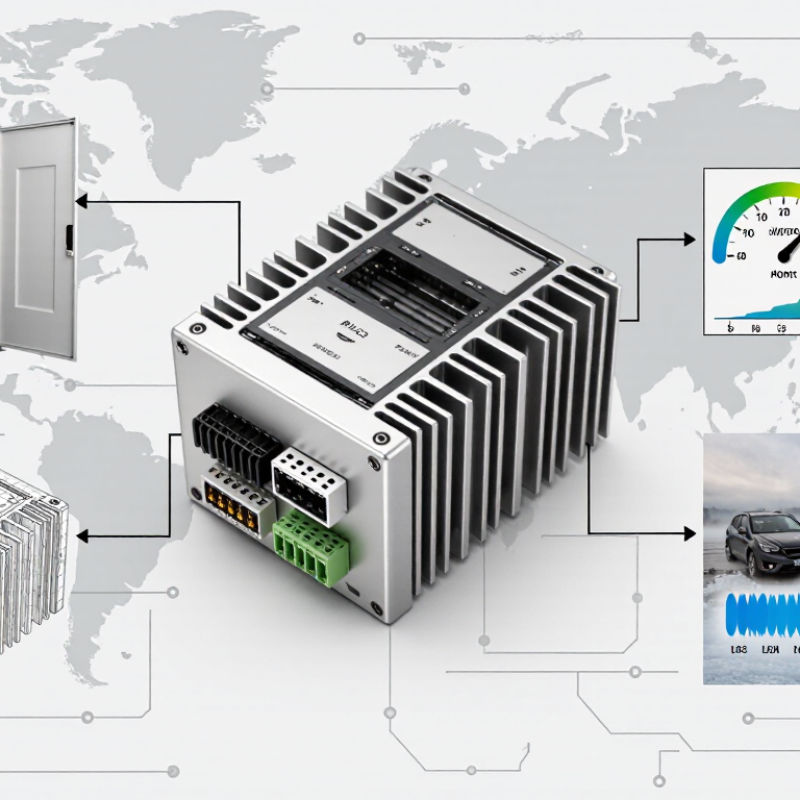
How to Choose Mil COTS DC DC Converters for Global Buyers

Define Military COTS DC-DC Converter Requirements

For global buyers, define the converter before comparing catalogs or requesting quotations. State nominal voltage, minimum and maximum input, output rails, load profile, and allowed ripple. Include startup surge, reverse polarity, brownout, and transient behavior. Do not treat “28 VDC” as a complete input specification. Specify continuous power, peak power, duty cycle, isolation voltage, efficiency, and hold-up time. A real load waveform is more useful than a single wattage number.

According to SIPRI’s Military Expenditure Database, global military spending reached 2.443 trillion dollars in 2023, increasing 6.8 percent from 2022. That pressure makes repeatable requirements more valuable than headline efficiency. Define environmental limits using applicable MIL-STD-810H methods. Include altitude, vibration, shock, humidity, salt fog, and operating temperature. Address EMC through applicable MIL-STD-461G test requirements. A converter passing a laboratory test may still need system-level verification.

Review the derating curve at enclosure temperature, not room temperature. Request thermal impedance, airflow assumptions, and protection behavior. Ask for failure-mode analysis, lot traceability, change-notification terms, and production-test records. MTBF figures also need their calculation basis. They are not field reliability guarantees. Some requirement sheets remain imperfect. That is acceptable early. Mark every unknown, owner, and validation date. I have seen projects overlook connector retention and startup sequencing. Small omissions can delay an otherwise qualified power stage. COTS status does not equal military qualification. The buyer must define evidence, test boundaries, and acceptance criteria before purchase.

Understand Military Standards, Certifications, and Compliance

How to Choose Mil COTS DC DC Converters for Global Buyers

Military COTS DC-DC converters need more than a military-sounding label. Buyers should match each converter with the system’s actual voltage, temperature, vibration, and electromagnetic environment. MIL-STD-704 can guide aircraft power-input requirements, while MIL-STD-461 addresses electromagnetic interference and susceptibility. MIL-STD-810 helps evaluate environmental stresses, including shock, humidity, altitude, and temperature cycling. These standards serve different purposes. Confusing them can create expensive redesigns.

Ask suppliers for complete test reports, not only compliance statements. Check the tested input range, load conditions, sample quantity, laboratory accreditation, and report revision. Qualification to MIL-PRF-38534 may matter for hybrid or high-reliability modules, but it does not replace system-level verification. Also review safety and environmental requirements in the destination market, such as applicable IEC standards, RoHS, REACH, and import documentation. Requirements vary by application and country.

Tips: Build a compliance matrix before comparing prices. Record every required standard, test level, certificate, and document owner. Confirm whether the supplier offers lot traceability, change notification, and failure-analysis support. Experience shows that missing paperwork can delay procurement longer than a technical fault. Small detail. Verify the original test scope carefully. A converter tested under one configuration may not satisfy your final enclosure, wiring, or cooling conditions. No checklist is perfect, so leave room for engineering review and independent validation.

Evaluate Electrical, Mechanical, and Environmental Performance

For global buyers, selecting a military COTS DC-DC converter starts with the actual power path, not the catalog headline. Check the input range during startup, brownouts, and battery fluctuations. Measure efficiency at light, nominal, and peak loads. A 500-watt rating can mislead. Review output ripple, transient response, isolation voltage, and inrush current. Request test conditions, tolerances, and production limits before comparing datasheets.

Mechanical performance is equally important in real equipment. Confirm the converter’s dimensions, mounting points, connector position, and cooling path. A few millimeters can block airflow or complicate field replacement. Examine vibration and shock data using conditions close to the final platform. Check whether the enclosure transfers heat through its baseplate, airflow, or both. Derating curves deserve careful attention, especially inside sealed cabinets. This step is often rushed.

Environmental evaluation should cover temperature, altitude, humidity, dust, salt exposure, and repeated thermal cycling. Verify the stated operating range, not only the storage range. Ask how samples were tested and whether results are traceable to recognized laboratory procedures. Documentation quality matters when buyers operate across several regions. Confirm applicable safety, electromagnetic compatibility, and import requirements for the destination market. A converter may pass a bench test yet fail after condensation, cable movement, or poor grounding. That uncomfortable gap deserves investigation. Shortcuts are expensive.

How to Choose Mil COTS DC-DC Converters for Global Buyers

Representative screening values for common military power-bus classes. Compare input-voltage coverage, conversion efficiency, and maximum operating temperature before checking detailed qualification, EMC, shock, vibration, and mechanical-interface requirements.

Values shown are representative engineering ranges rather than product ratings: 28 V systems commonly use approximately 18–36 V inputs, while high-voltage military power architectures may use approximately 180–400 V or 250–500 V inputs. Actual efficiency and temperature ratings depend on output power, cooling method, packaging, qualification level, and system requirements.

Compare Suppliers, Customization Options, and Global Availability

Selecting a Mil COTS DC DC converter for global projects requires more than comparing prices. Supplier capability matters.

In practical sourcing reviews, I examine test records, production history, and component traceability. A reliable supplier should provide clear electrical specifications and repeatable quality data. Ask about input ranges, output regulation, efficiency, isolation, and thermal performance. Do not accept vague claims. Request samples from the intended production line, not only demonstration units.

Customization can include connector layouts, mounting holes, screening levels, control logic, and conformal coating. Some suppliers adjust voltage ranges or packaging, but every change needs engineering validation. A small pinout change can affect a complete power assembly. Keep written configuration control. It prevents expensive confusion later. I have seen teams overlook derating at high altitude. That mistake was avoidable, but common.

Global availability also deserves close attention. Compare regional inventory, factory lead times, minimum order quantities, and approved substitute plans. A supplier with stock today may still lack stable production next year. Check communication speed across time zones. Review packaging for humidity protection and vibration resistance. Ask for export documentation and realistic delivery estimates. “Available” is sometimes only a sales phrase. Forecast sharing can improve allocation, but it cannot replace a second source. Supplier comparison should include technical support, warranty handling, failure analysis, and end-of-life notices. A lower purchase price may hide longer qualification work.

Verify Quality, Testing, Documentation, and Long-Term Support

When selecting MIL-COTS DC-DC converters, quality begins with traceable evidence, not attractive specifications. Request manufacturing-site details, lot codes, change-control records, and certificates of conformance. MIL-PRF-38534 emphasizes controlled production, screening, and qualification for hybrid microcircuits. Ask whether testing covers the exact package and revision. A generic certificate is weak evidence.

Testing must reflect the aircraft, vehicle, or field enclosure. MIL-STD-810H lists environmental methods for temperature, vibration, humidity, shock, and altitude. Review test duration, mounting method, failure criteria, and sample size. A report stating “passed vibration” is incomplete. The fixture matters. So does the cable harness. IPC-9592B also provides useful practices for power-conversion device qualification, including electrical, thermal, and environmental evaluation.

Documentation should support decisions years later. Keep derating curves, thermal-resistance data, radiation or altitude limits, inspection results, and approved-substitute rules in one controlled file. The U.S. Department of Defense’s 2023 Annual Industrial Capabilities Report highlights continuing supply-chain and production-capacity risks; buyers should therefore verify capacity, not just current inventory. Long-term support needs written commitments for PCN notice, minimum order flexibility, repair analysis, and end-of-life planning. The JEDEC JEP122 reliability methodology can help compare failure-rate assumptions, but calculated reliability is not field evidence. I would still request lot-level test samples and independent inspection. Paperwork can look perfect. Reality sometimes disagrees.

FAQS

Which standards should buyers review for military COTS DC-DC converters?

Different standards address different risks. Power-input requirements may follow MIL-STD-704. Electromagnetic interference concerns may involve MIL-STD-461. Environmental testing may use MIL-STD-810. Do not treat them as interchangeable.

What should a buyer request from a supplier?

Request complete test reports, not only compliance statements. Check input range, load conditions, sample quantity, and report revision. Confirm the laboratory’s accreditation. A certificate alone may hide important limits.

Does qualification for a high-reliability module replace system testing?

No. Module qualification supports confidence, but system-level verification remains necessary. The final enclosure, wiring, cooling, and interfaces can change performance. This distinction is easy to miss.

How can buyers organize compliance requirements?

Build a compliance matrix before comparing prices. Record each standard, test level, certificate, and document owner. Include traceability, change notification, and failure-analysis contacts. Leave space for engineering review.

Which electrical specifications deserve close comparison?

Compare input range, output regulation, efficiency, isolation, and thermal performance. Check operation under the intended load. Review temperature limits and derating requirements. A vague specification is not enough.

What customization options may affect system integration?

Changes may include connectors, mounting holes, control logic, screening, or conformal coating. Even a small pinout change can affect the complete power assembly. Use written configuration control. Memory is not a control system.

How should buyers evaluate global supply availability?

Compare regional inventory, factory lead times, minimum order quantities, and substitute plans. Ask whether stock comes from regular production. “Available today” may not mean stable supply next year. That assumption deserves review.

What shipping and supplier-support details matter?

Check export documents, delivery estimates, packaging, and communication across time zones. Packaging should address humidity and vibration during transport. Review warranty handling, failure analysis, and end-of-life notices. A second source still matters.

Conclusion

Choosing the right Mil-COTS DC-DC Converters begins with clearly defining the application’s power requirements, including input and output voltage ranges, load capacity, efficiency, isolation, transient response, and redundancy needs. Buyers should then review applicable military standards, certifications, and compliance documentation to ensure the converter is suitable for the intended platform and operating environment. Electrical performance should be assessed alongside mechanical factors such as size, weight, mounting, cooling, and connector configuration. Environmental requirements, including temperature extremes, vibration, shock, humidity, altitude, and electromagnetic compatibility, are equally important for dependable operation.

Global buyers should compare suppliers based on engineering capability, customization flexibility, production capacity, delivery coverage, and communication support. Before purchasing, verify quality-control processes, inspection methods, qualification testing, traceability, technical documentation, and warranty terms. A reliable supplier should also provide long-term support, replacement planning, and clear change-management procedures. This structured evaluation helps organizations select a compliant, durable, and maintainable power solution that meets both current mission requirements and future deployment needs.


Olivia

Olivia

Olivia is a highly experienced marketing professional dedicated to helping businesses communicate their value with clarity, credibility, and purpose. With a strong understanding of the company’s products, services, and target markets, she creates practical, insightful content that supports informed......