Medical low leakage power converters for clinical imaging and patient equipment
Isolated AC-DC PFC Front End medical power supply module
High reliability isolated DC-DC converter brick for medical robotics
IEC 60601-1 3.2 Edition & 2xMOPP Isolation

Next-Gen Medical Low Leakage Power Converters for Critical Clinical Systems

Engineered to eliminate stray earth and touch leakage current while satisfying 2xMOPP dielectric safety and IEC 60601-1-2 4th Edition EMC. Powered by U.S.-manufactured synchronous rectifier architecture.

< 100 µAEarth Leakage Current (NC)
4000 Vac2xMOPP Dielectric Isolation
Up to 95%Synchronous Rectifier Efficiency
AS9100 / ISO-9001U.S. Manufacturing Facility
Expert Technical Insights & Intent Analysis

Architectural Mastery of Medical Low Leakage Power Converters: Solved Intent & Engineering Realities

In modern biomedical equipment design, selecting Medical Low Leakage Power Converters represents the single most critical decision impacting clinical safety clearance, patient protection, and electro-magnetic compatibility (EMC). As healthcare platforms transition toward high-powered surgical robotics, ultra-high-definition ultrasound imaging, portable patient monitoring, and cardiac-catheterization laboratories, global procurement managers and power architecture engineers encounter a complex set of trade-offs.

The core challenge stems from a fundamental law of electrical engineering: reducing common-mode electromagnetic interference (EMI) typically requires bridging high-voltage primary-to-secondary isolation barriers with Y-capacitors. However, Y-capacitors inherently conduct AC leakage current directly into the earth ground or equipment chassis. For patient-connected equipment (Type BF and Type CF), exceeding strict touch or patient leakage limits—even under Single Fault Conditions (SFC)—can lead to non-compliance with IEC 60601-1 3rd/3.2 Edition safety standards, delay FDA 510(k) clearances, or present dangerous shock hazards to patients with invasive leads.

SynQor addresses this fundamental design paradox through multi-stage converter topologies, advanced planar transformer shielding, and actively driven synchronous rectification. By eliminating the reliance on large primary-to-secondary Y-capacitors, our Medical Low Leakage Power Converters maintain ultra-low touch leakage current (<10 µA NC) and minimal earth leakage (<100 µA NC) while maintaining full compliance with CISPR 11 / EN 55011 Class B conducted emissions standards.


Medical Equipment Classification Applied Part Type Max Patient Leakage Current (NC) Max Patient Leakage Current (SFC) Required Insulation Barrier SynQor Converter Topology Advantage
Cardiac Floating (CF)
e.g., Dialysis, ECG, Surgical Catheters
Type CF < 10 µA < 50 µA 2xMOPP (4000 Vac / 8mm Creepage) Low-capacitance planar transformer construction limits AC displacement current.
Body Floating (BF)
e.g., Ultrasound, Infusion Pumps, NIBP
Type BF < 100 µA < 500 µA 2xMOPP / 1xMOPP Secondary Isolation High-efficiency synchronous buck/boost stage with minimal primary Y-cap requirement.
Non-Patient Contact / Operator
e.g., Diagnostic Analyzers, Monitors
Type B / General < 100 µA (Touch) < 500 µA (Touch) 2xMOOP / 1xMOOP Standard Encapsulated full-brick and half-brick AC-DC PFC modules for silent fanless operation.
Curated Portfolio

High-density AC-DC front ends and isolated DC-DC modules designed for immediate integration into IEC 60601-1 compliant medical systems.

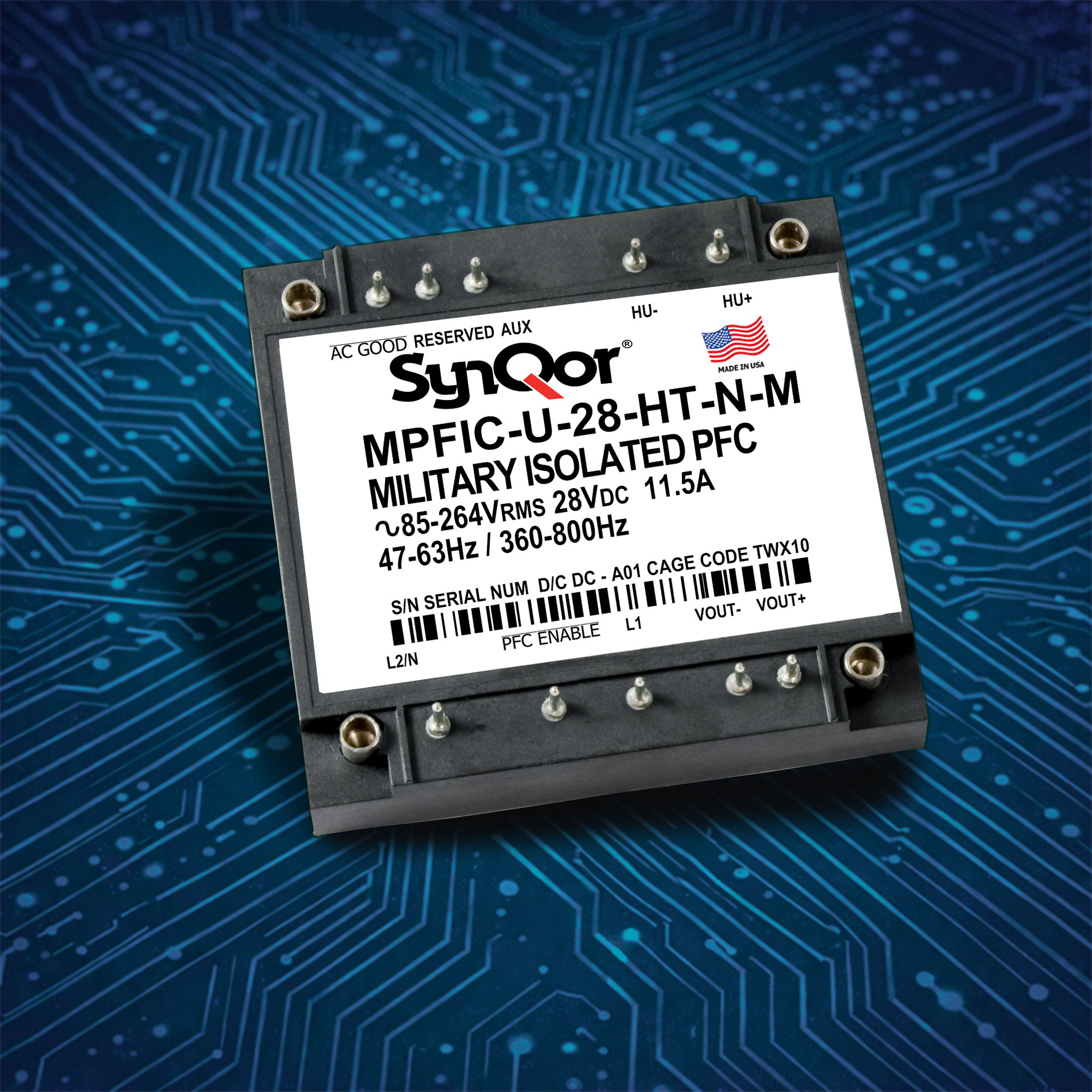
AC-DC Front End

Medical MPFIC 3-Phase / 1-Phase Modules

Active power factor corrected front-end modules providing isolated DC bus voltages with ultra-low earth leakage current (<100 µA at 264 Vac/60Hz).

Key Spec: 2xMOPP Isolation | 95% Efficiency | EN 61000-3-2

Inquire Now
SynQor MPFIC medical active PFC module
DC-DC Isolation

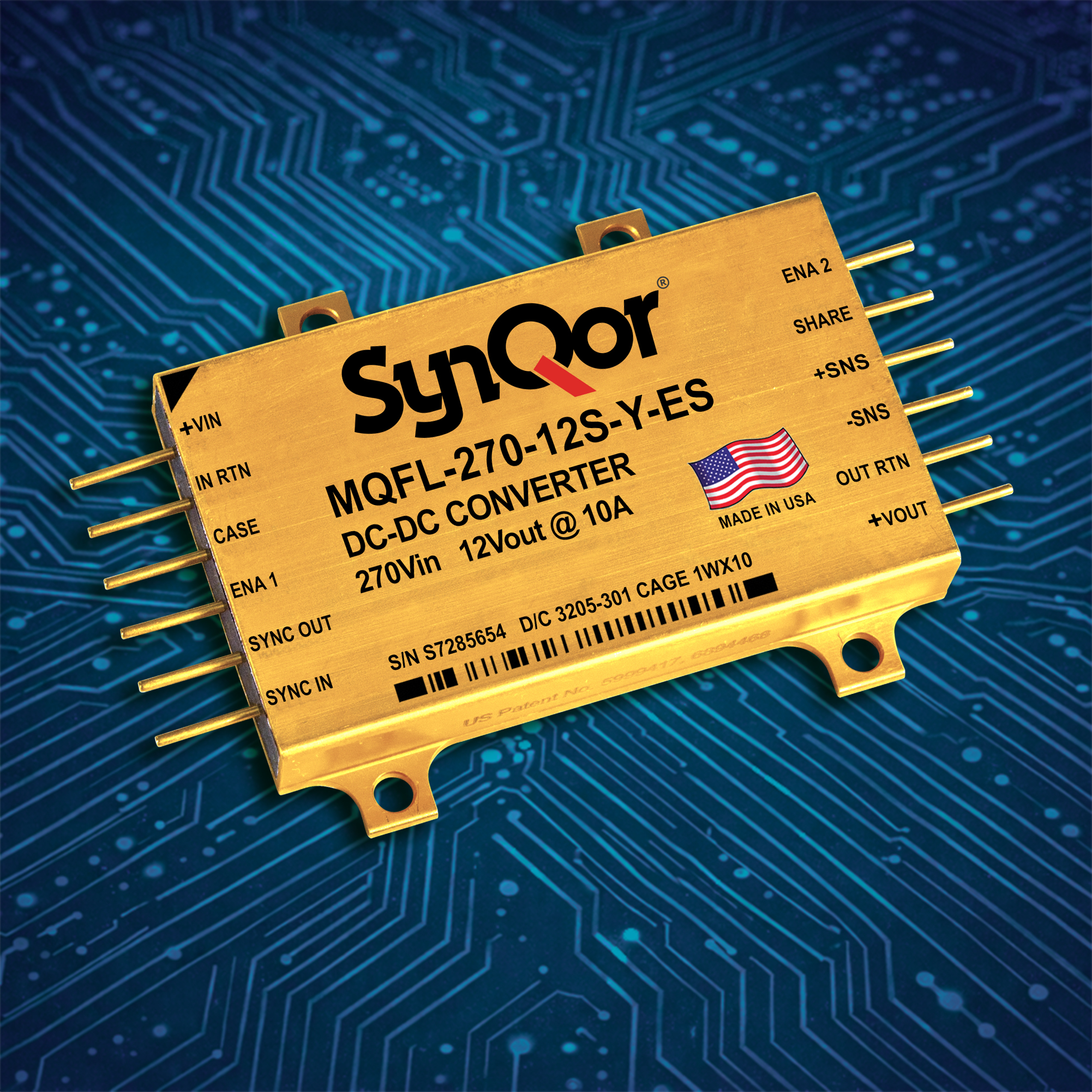
MedQor Isolated DC-DC Brick Converters

High-reliability half-brick and quarter-brick DC-DC converters offering 2xMOPP reinforced patient insulation for Type BF & CF medical electronics.

Key Spec: 4000 Vac Isolation | Sub-10 µA Touch Leakage | Conduction Cooled

Inquire Now
SynQor isolated DC-DC medical converter brick
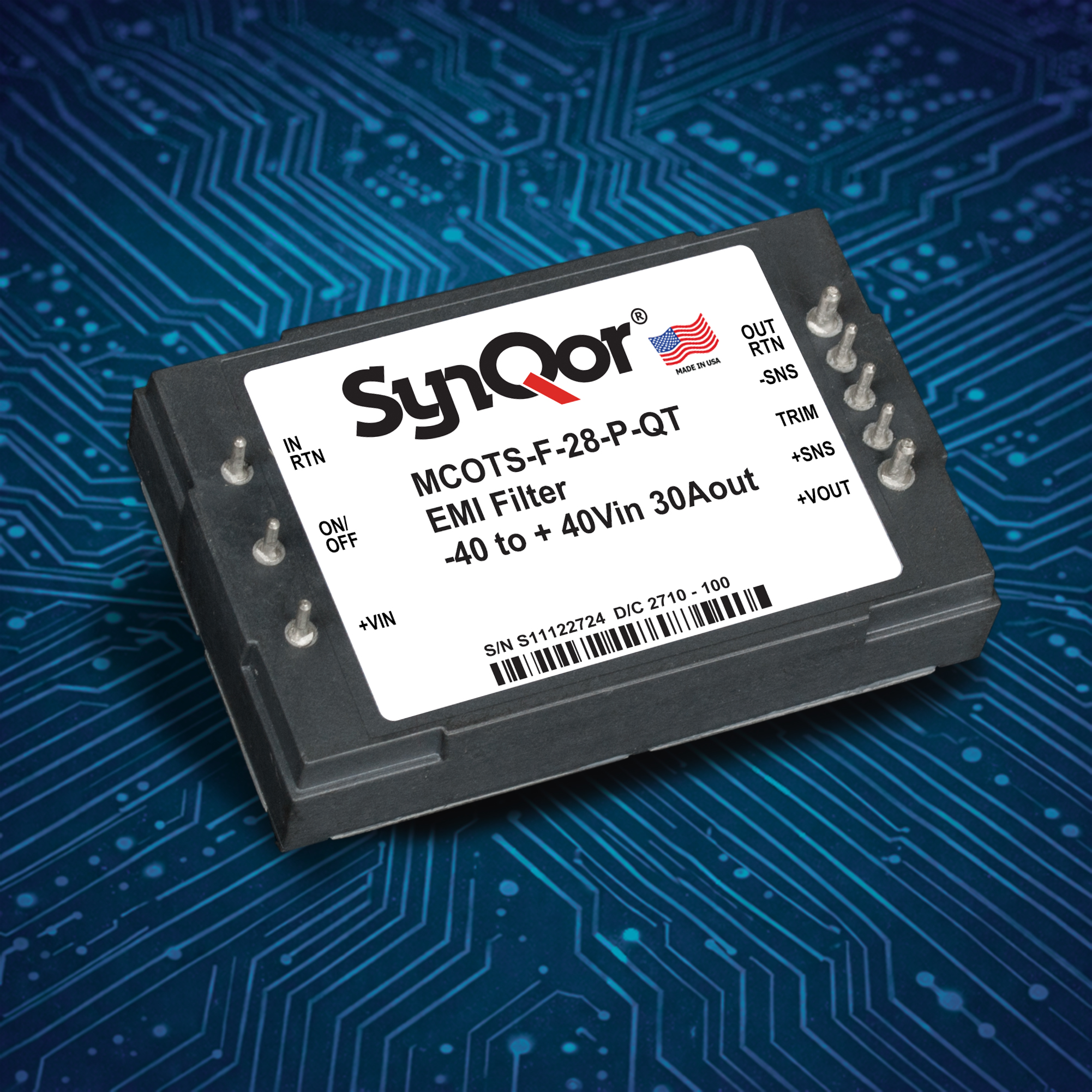
Medical EMI Filters

Low-Leakage Medical Line Filters

Companion passive EMI filters specifically engineered for medical AC-DC front-ends, ensuring CISPR 11 Class B compliance without exceeding earth ground limits.

Key Spec: Low Y-Cap Matrix | Differential & Common Mode Filtering

Inquire Now
SynQor low leakage medical transient EMI filter module
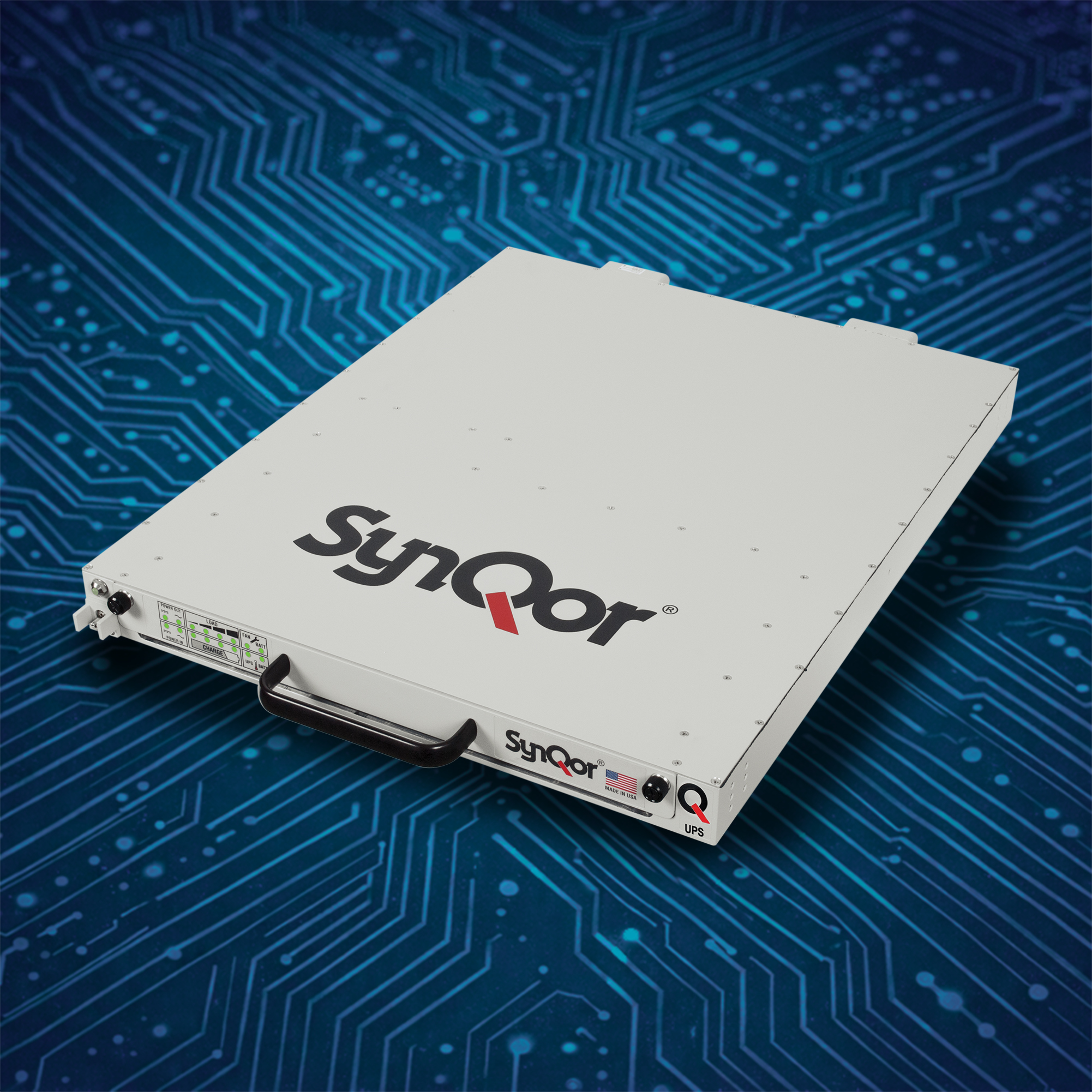
Rugged Medical Systems

Field-Grade Medical Power Enclosures

Integrated medical UPS and power distribution assemblies providing reliable backup power during surgical procedures and hospital transport.

Key Spec: Zero Transfer Time | Sealed Aluminum Chassis | Full Compliance

Inquire Now
SynQor medical uninterruptible power system
Market & Supply Chain Vision

Global medical device original equipment manufacturers (OEMs) are shifting their procurement strategies to address emerging regulatory dynamics, supply chain vulnerabilities, and technological evolutions in clinical spaces. Key procurement trends shaping the industry include:

  • Transition to 4th Edition Home Healthcare Standards (IEC 60601-1-2): With medical care increasingly decentralized into outpatient clinics and home environments, power converters must tolerate dirty grid conditions, high ESD exposure, and intense wireless RF interference. Procurement teams now mandate pre-qualified 4th Edition EMC compliance to prevent costly platform redesigns.
  • Demand for Fanless, Conduction-Cooled Enclosures: Hospital operating rooms (ORs) and intensive care units (ICUs) demand acoustic silence and zero particulate circulation. Medical Low Leakage Power Converters must achieve efficiencies exceeding 93–95% so heat can be dissipated directly through the equipment baseplate via conduction, eliminating fan failure risks and dust contamination.
  • Modular Architecture over Custom Brick Design: Custom power supply development introduces significant risk, 18-to-24-month lead times, and expensive agency certification fees. System integrators are increasingly procuring standard off-the-shelf (COTS) building blocks—combining isolated PFC front ends with 2xMOPP DC-DC converters—to accelerate time-to-market.
  • Comprehensive Supply Chain Traceability and Obsolescence Safeguards: Long product lifecycles in medical equipment (10–15 years) mean component obsolescence can halt production. Procurement officers are requiring certified US-based manufacturing with strict configuration control, AS9100 quality tracking, and guaranteed form-fit-function replacement availability.
Engineering Innovation

To satisfy the conflicting imperatives of higher power density, lower thermal generation, and stringent leakage current boundaries, medical power architecture is undergoing three distinct technical revolutions:

1. Wide Bandgap (GaN & SiC) Integration with Low Inter-Stage Capacitance

The adoption of Gallium Nitride (GaN) and Silicon Carbide (SiC) switching devices allows power converters to operate at significantly higher switching frequencies (hundreds of kilohertz to megahertz). Higher frequencies allow for smaller magnetic components and smaller filtering elements. However, high $dV/dt$ switching nodes threaten to inject common-mode currents through interwinding transformer capacitance. Modern medical converter designs incorporate specialized Faraday shielding within planar transformers to shunt high-frequency noise back to the primary side without increasing earth leakage current.

2. Dual-Stage Architecture for Isolation Splitting

A growing technical trend involves decoupling isolation requirements into a two-stage power architecture. An initial AC-DC front-end module handles Power Factor Correction (PFC) and primary isolation (1xMOOP or 2xMOOP), while localized, point-of-load DC-DC converter bricks provide high dielectric 2xMOPP patient isolation (4000 Vac) directly adjacent to the clinical sensor or applied part. This layout confines sub-10 µA leakage requirements to the low-voltage DC domain, preserving safety without burdening the high-power AC line filter.

3. Digital Telemetry and Real-Time Safety Monitoring

Modern medical power conversion systems incorporate PMBus and I2C digital control interfaces. System controllers can monitor thermal margins, output currents, and internal insulation health in real time, executing predictive maintenance before catastrophic component degradation occurs.

Why SynQor Leads

Proven Technological Leadership & Manufacturing Discipline

SynQor pioneered commercial synchronous rectification technology in isolated power modules. Today, our Salem, New Hampshire manufacturing facility designs and builds high-reliability power systems that set the global benchmark for safety and efficiency.

Inquire Now

Exceeding AS9100 & ISO-9001 Standards

Rigorous quality management ensures 100% full-load burn-in testing, complete component traceability, and zero-defect manufacturing for critical medical equipment.

100% Engineered & Manufactured in the USA

All design engineering, thermal modeling, EMC testing, and automated assembly are executed under one roof in Salem, NH, maintaining supply chain integrity.

Synchronous Rectification & Two-Stage Topology

By replacing lossy rectifying diodes with actively driven MOSFETs, SynQor converters achieve up to 95% efficiency, dramatically reducing operating temperatures.

Medical Procurement & Technical FAQ

Frequently Asked Questions on Medical Low Leakage Power Converters

IEC 60601-1 mandates strict limits on leakage currents to prevent microshock, ventricular fibrillation, and tissue trauma in direct patient-contact applications. Type BF (Body Floating) and Type CF (Cardiac Floating) equipment require ultra-low touch and patient leakage currents—often below 10µA under Normal Condition (NC) and 50µA under Single Fault Condition (SFC). Medical Low Leakage Power Converters minimize parasitic stray capacitance across isolation barriers to maintain these low leakage levels while satisfying Class B EMI standards.

SynQor uses proprietary transformer winding topologies, advanced planar magnetics, and balanced differential filtering to reduce primary-to-secondary parasitic interwinding capacitance. This allows our medical power converters to achieve robust 2xMOPP (4000 Vac dielectric isolation) and sub-100µA earth leakage currents without forcing system designers to rely on excessive Y-capacitance that elevates leakage current.

Under IEC 60601-1 3rd/3.2 Edition, MOPP specifies isolation and creepage/clearance requirements designed to safeguard patients who may have lower skin resistance or invasive electrical contacts. 2xMOPP requires 4000 Vac isolation, 8mm creepage, and double insulation. MOOP safeguards equipment operators and requires lower creepage/clearance distance (5mm for 2xMOOP) and 3000 Vac dielectric testing.

Yes. SynQor's medical AC-DC front-end modules and isolated DC-DC converters are designed to comply with IEC 60601-1-2 4th Edition EMC requirements. This includes enhanced immunity against high-level electrostatic discharge (ESD), radiated RF fields, fast transients (EFT), surges, and magnetic field disturbances encountered in professional healthcare facilities and home healthcare environments.

SynQor offers extensive application engineering support to configure standard power modules for specific voltage trimming, custom pin lengths, rugged enclosure potting, and specialized thermal baseplates, allowing OEMs to achieve semi-custom solutions without long certification timelines.

Ready to Integrate Low Leakage Power Architecture?

Speak directly with a SynQor application engineer to review your leakage budget, isolation creepage, thermal management, and IEC 60601-1 test requirements.

Inquire Now Engineering Contact