Explore our core 50W–600W isolated half-brick power modules tailored for harsh operating environments, ultra-wide input voltage ranges, and maximum thermal conduction efficiency.
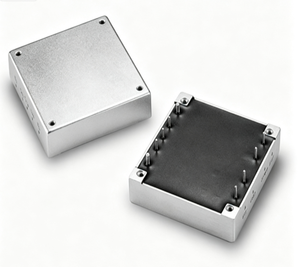
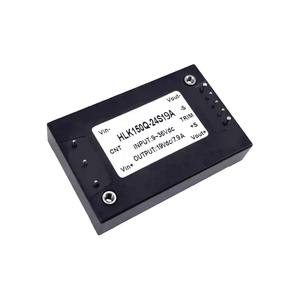
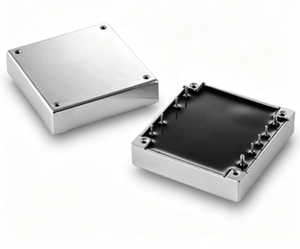
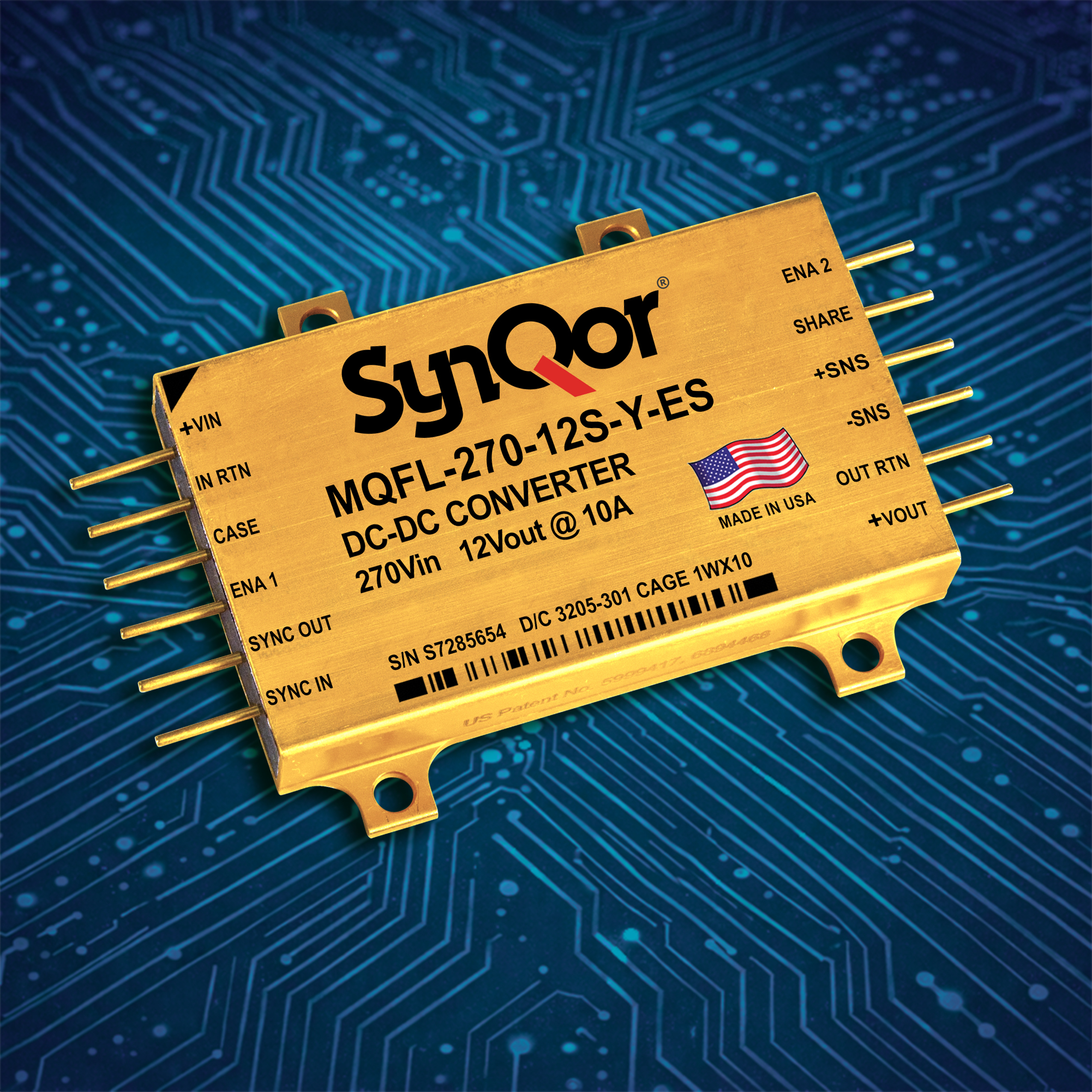
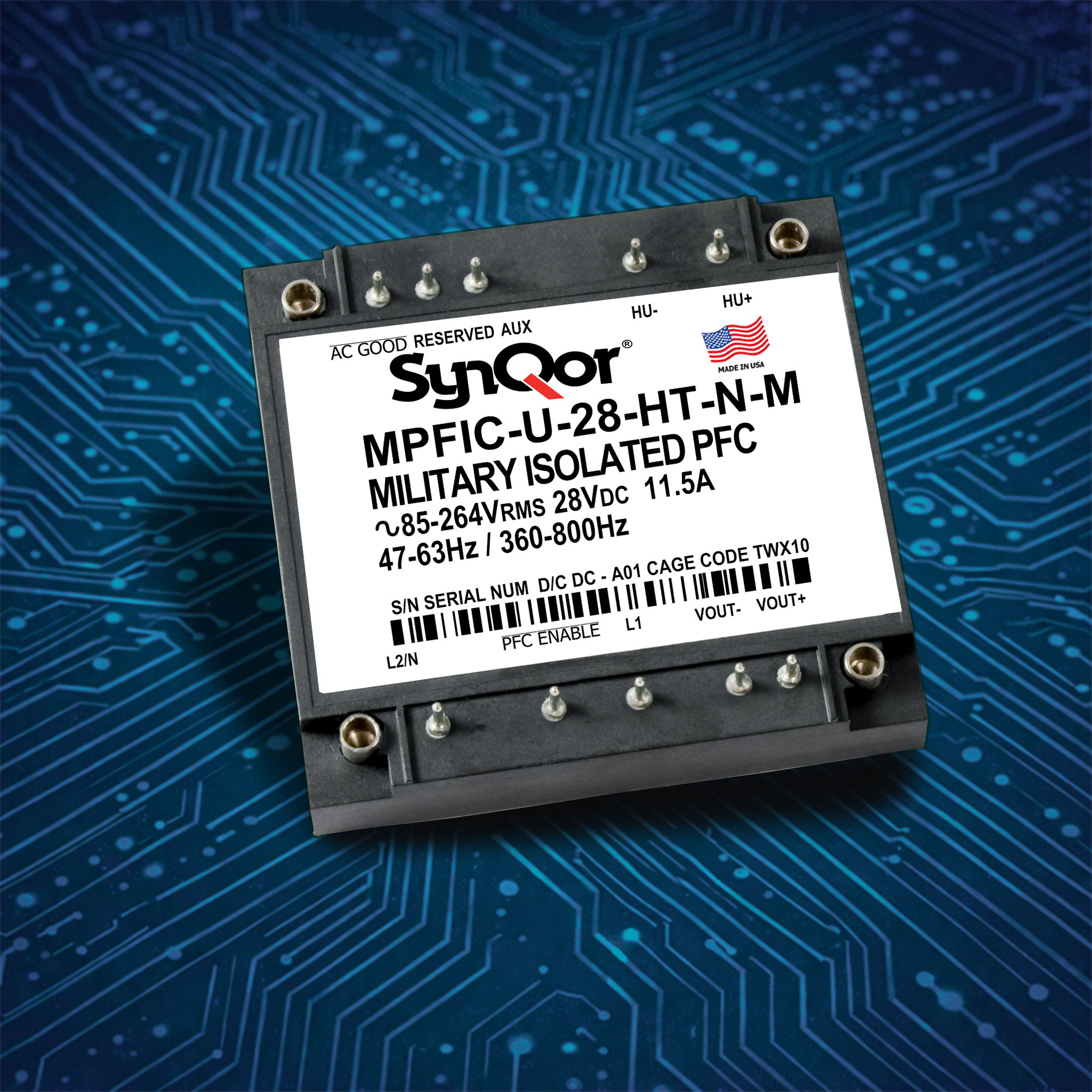
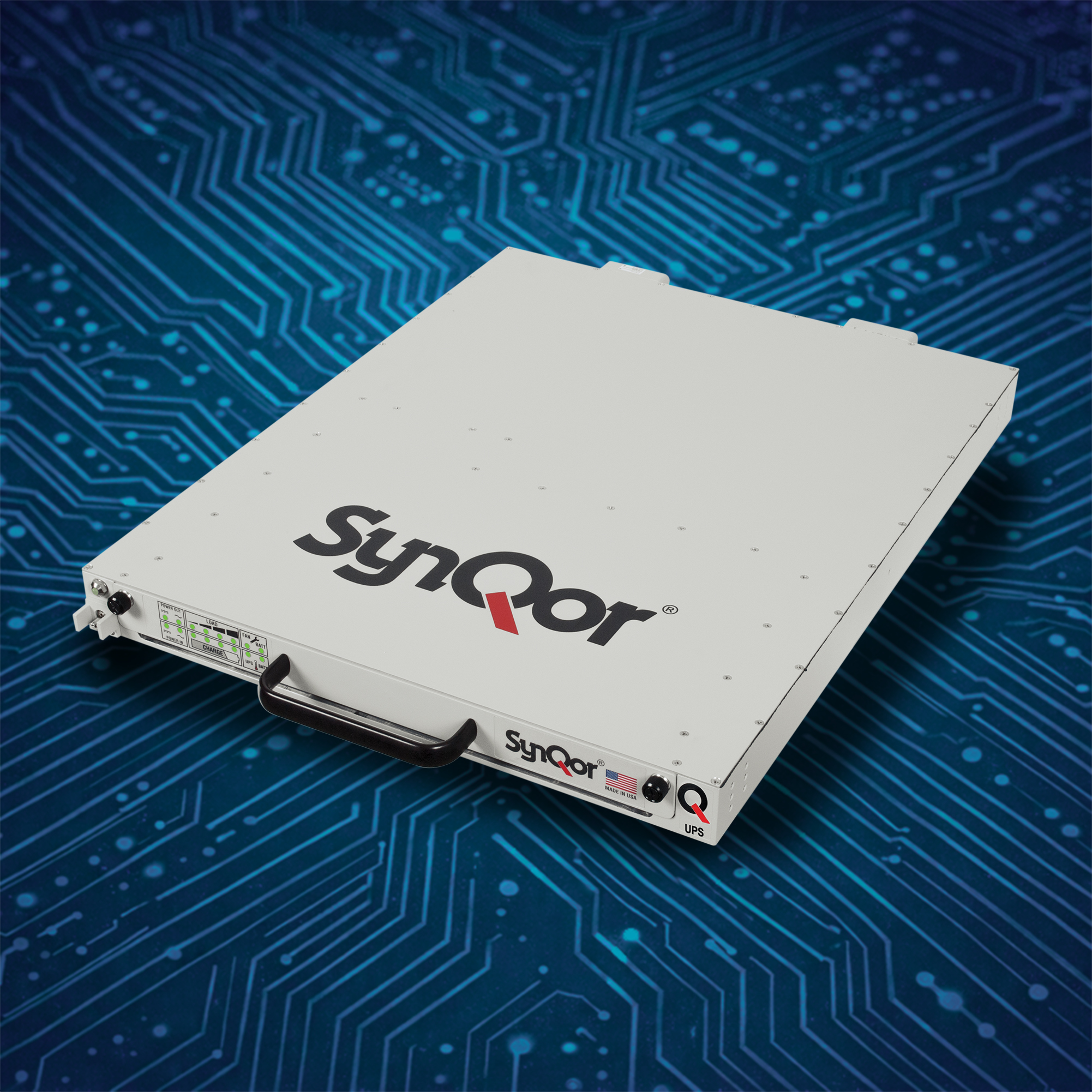
In the rapidly evolving power electronics landscape of Norway—where offshore wind energy expansion, electrification of maritime fleets, subsea robotics, and harsh Nordic climate telemetry demand zero-compromise hardware—selecting the optimal DC-DC power conversion architecture is vital. As a premier China-based half-brick converter factory and direct exporter serving Norwegian original equipment manufacturers (OEMs) and system integrators, we specialize in delivering high-density, conduction-cooled, highly isolated power solutions built around industry-standard brick pinouts.
Information Gain Key Insight: Traditional diode-rectified DC-DC converters dissipate significant energy as thermal waste, leading to oversized heatsinks and shortened component life in sealed enclosures. By implementing planar magnetics coupled with fully active synchronous rectification, our half-brick modules reduce internal conduction losses by up to 60%, achieving conversion efficiencies up to 96% while maintaining a standardized 2.4" x 2.3" x 0.5" footprint.
The standard "Half-Brick" power module measures exactly 61.0 mm × 57.9 mm × 12.7 mm (2.4 in × 2.3 in × 0.5 in). Achieving power ratings up to 600 Watts within this compact space requires an intricate thermal-mechanical and electrical engineering strategy. Our manufacturing process utilizes a two-stage power conversion architecture featuring zero-voltage switching (ZVS) forward or push-pull topologies integrated with low Rds(on) power MOSFETs.
In sub-zero Norwegian environments, thermal design presents a dual challenge: the converter must start up reliably at ambient cold temperatures down to -40°C or -55°C without frequency drift or voltage overshoot, while simultaneously dissipating full load heat under sealed IP67/IP68 enclosures without forced-air fan cooling. Our modules utilize aluminum substrate baseplates bonded directly with thermal interface materials (TIM) to low-profile planar transformers, facilitating direct conduction cooling to external cold plates or vessel chassis.
| Technical Parameter | Standard Commercial Half-Brick | Our High-Rel Industrial Half-Brick | Norwegian Operational Advantage |
|---|---|---|---|
| Peak Efficiency | 86% - 89% | 93% - 96% | Dramatically lower energy loss, reduced battery drain on electric vessels. |
| Operating Baseplate Temp. | -20°C to +85°C | -40°C (-55°C opt) to +100°C | Cold-start capable for Arctic maritime and high-altitude telecommunications. |
| Input Voltage Ranges | 2:1 standard (e.g. 18-36V) | Ultra-wide 4:1 (9-36V, 18-75V) & 8:1 | Immune to heavy catenary, generator spikes, or battery voltage drops. |
| Isolation Breakdown | 1500 VDC | 2250 VDC to 3000 VAC | Protects sensitive FPGA/sensor logic from high subsea/grid noise transients. |
| Thermal Management | FR4 PCB baseplate | Aluminum baseplate + Planar Magnetics | Enables fanless, sealed IP68 enclosure integration without thermal throttling. |
Electromagnetic interference (EMI) is a major friction point for Norwegian system engineers designing equipment under strict DNV marine standards or EN 50155 railway codes. High switching frequency half-brick converters can produce common-mode and differential-mode noise if unshielded.
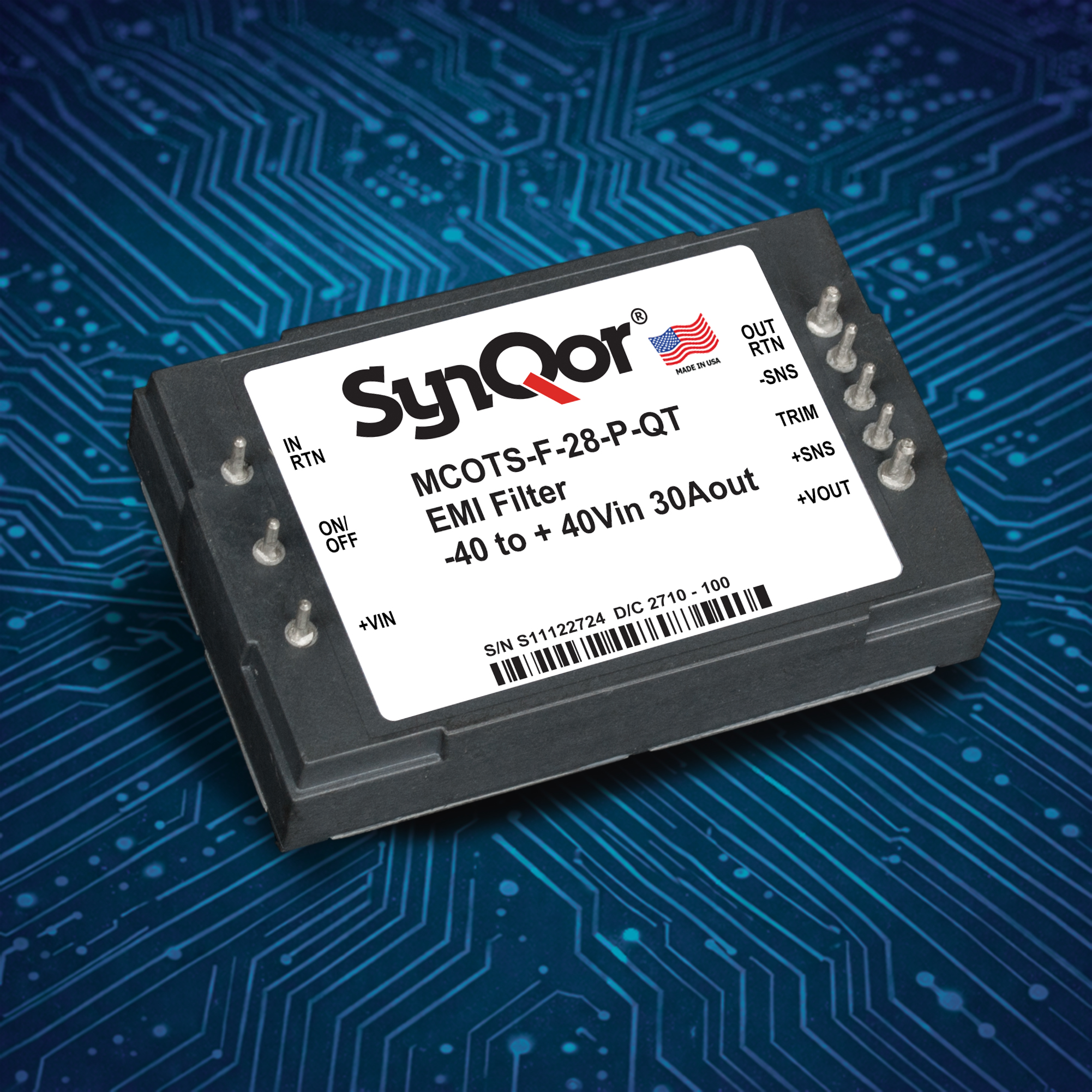
Our half-brick modules feature an internal multi-layer Faraday shield integrated into the planar transformer coils, minimizing primary-to-secondary parasitic capacitance. When paired with our compact half-brick EMI filter modules (such as our MCOTS filter series), the power chain easily clears EN 55032 Class B conducted emissions and MIL-STD-461 requirement levels without demanding extensive external LC filter network layouts.
From the deep fjords of Vestland to the harsh offshore energy farms in the North Sea, explore how our power modules deliver mission-critical reliability.
Norway leads the globe in electric ferries and zero-emission passenger vessels. Our 24V and 48V output half-brick converters provide isolated low-voltage power to auxiliary control units, radar navigation, sonar equipment, and emergency LED lighting networks from primary high-voltage DC propulsion bus systems.
In floating wind installations (such as Hywind Tampen) and subsea ROV/trenching machinery, power electronics face continuous vibration and saltwater humidity. Featuring silicone-encapsulated potted housing, our half-brick modules endure 20G vibration profiles and offer reliable step-down power for subsea sensor telemetry.
Off-grid monitoring stations in Svalbard and Northern Norway rely on hybrid solar/wind/battery setups. Our 4:1 wide input range half-bricks (CHB50-48S12) operate down to -55°C cold starts, ensuring continuous power to weather sensors and satellite uplink transceivers.
Norway’s railway network operates across mountain passes subject to severe temperature fluctuations and erratic catenary voltages. Our railway-grade half-brick converters accommodate 72V, 96V, and 110V nominal inputs, equipped with 10ms-20ms hold-up timing to buffer brownouts.
Clean hydropower dominates Norway's grid. Our isolated DC-DC converters step down DC bus voltages inside hydroelectric dam control cabinets, insulating sensitive programmable logic controllers (PLCs) and gate actuators from massive inductive ground-loop surges.
Automated fish farming barges along the Norwegian coastline require robust, sealed power conversion for feeding cannons and underwater cameras. Our aluminum-baseplate half-brick power modules easily integrate into heatsink-chassis enclosures sealed against saline fog.
Understanding the key purchasing drivers, environmental standards, and technical requirements governing power module imports into the Norwegian market.
Norwegian engineering buyers are heavily prioritizing thermal conduction cooling over mechanical fan cooling. Moving mechanical parts present failure points in remote mountain sites or damp marine environments. A conduction-cooled half-brick module mounted directly to an aluminum chassis allows complete IP67 sealing of electronics, eliminating dust accumulation, salt mist intrusion, and fan-maintenance dispatch costs.
While our half-brick modules operate up to 100°C baseplate temperature, system design engineers must implement proper thermal derating. At baseplate temperatures above 85°C, output power should be linearly derated by 2.5% per °C unless augmented by forced airflow or liquid-cooled cold plates. Our application engineering team provides customized thermal simulation data and derating curves based on your specific enclosure geometry in Oslo, Bergen, or Trondheim.
One of the primary competitive advantages of partnering with our China manufacturing facility is our rapid-turnaround customization capability. While traditional Western brands often require 26 to 52 weeks of lead time for non-standard output voltages (such as 13.8V for float battery charging or 28V for aerospace-grade equipment), our factory can modify transformer turn ratios and control feedback loops to deliver customized samples in under 3 weeks.
Advanced manufacturing, rigorous quality control, and deep engineering support engineered to lower total cost of ownership without compromising quality.
Our automated Surface Mount Technology (SMT) production lines follow strict IPC-A-610 Class 3 soldering guidelines, ensuring flawless joint integrity under extreme mechanical stress and thermal shock.
Every single half-brick power module undergoes 100% full-load elevated temperature burn-in testing, followed by automated optical inspection (AOI) and parametric electrical verification prior to export.
We maintain streamlined export channels with DHL, FedEx, and air freight forwarders delivering direct to Gardermoen or main Norwegian ports, fully compliant with CE, RoHS, and REACH documentation.
Direct answers to technical, operational, and commercial queries regarding half-brick converter imports to Norway.
Need custom voltage outputs, thermal simulation assistance, or evaluation samples for your upcoming project? Connect directly with our Senior Power Electronics Applications Engineering team.
