Engineered for extreme reliability, high synchronous-rectification efficiency, and seamless grid resilience across European telecom architectures.
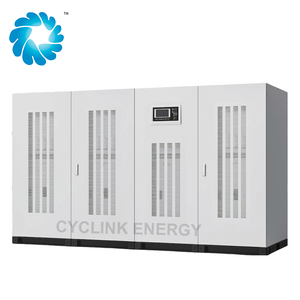
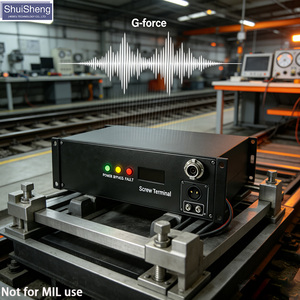
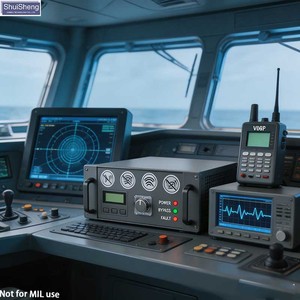
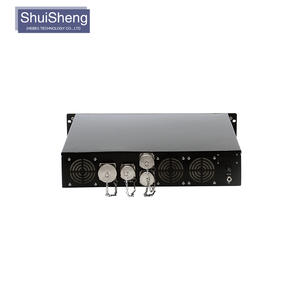
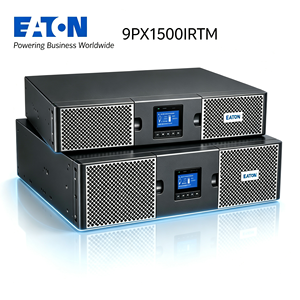
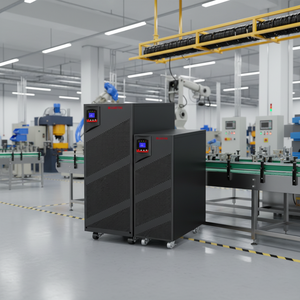
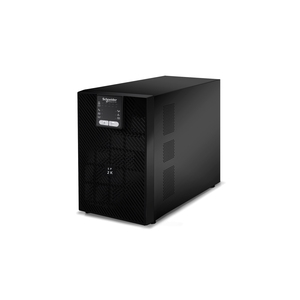
As Belgium accelerates its digital transition across Flanders, Wallonia, and the Brussels-Capital Region, telecommunications operators require zero-compromise DC power systems optimized for efficiency, harsh climatic conditions, and rigorous European grid codes.
Belgium’s telecommunications network—dominated by key operators such as Proximus, Telenet, and Orange Belgium—is undergoing a structural overhaul. The nationwide deployment of 5G C-RAN (Cloud Radio Access Network) nodes, combined with massive FTTH (Fiber to the Home) expansion, has dramatically altered power consumption profiles. Legacy transformer-based 48V rectifiers can no longer meet the stringent power-density and energy-efficiency mandates demanded by Belgian ESG regulations and Synergrid C10/11 grid interconnections.
Our telecom power architecture replaces standard lossy Schottky diodes with actively controlled MOSFET synchronous rectifiers. By utilizing a patented two-stage conversion topology combined with gallium nitride (GaN) and silicon carbide (SiC) switching components, system conduction losses are minimized by up to 65% compared to traditional legacy UPS topologies.
Information Gain Insight for Power System Engineers: Modern telecom power procurement in Belgium prioritizes modular hot-swappable rectifiers paired with high-density Lithium Iron Phosphate (LiFePO4) energy storage. Our systems implement real-time SOH (State of Health) cell balancing, remote SNMPv3 network integration, and autonomous thermal cutoff circuits compliant with Belgian CE and NBN standards.
Deploying tailored power electronics across Belgium’s diverse geographical and industrial ecosystems—from maritime logistics to electrified rail corridors.
Belgium’s North Sea offshore wind farms (Borssele and Princess Elisabeth Zone) and major maritime gateways like the Port of Antwerp-Bruges demand extreme environmental protection. Communications equipment controlling offshore converter stations and vessel traffic management systems operate in harsh marine atmospheres.
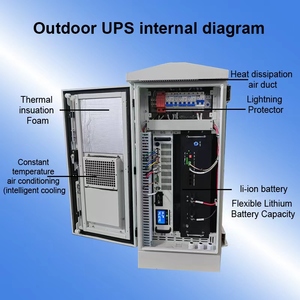
In crowded metropolitan sectors such as Brussels EU Quarter and Antwerp City Center, deploying bulky indoor power rooms is impossible. Telecom operators utilize micro outdoor power cabinets integrated directly onto street light poles, building facades, and public transit shelters.
Infrabel, Belgium’s railway infrastructure manager, relies on continuous power for GSM-R communications, European Rail Traffic Management System (ERTMS) trackside signal nodes, and automated level crossing communications across high-speed lines (HSL 1, 2, 3, 4).
Understanding the macro shift toward grid-interactive telecom power, green energy storage, and localized sustainability initiatives.
Under the European Green Deal and Belgian National Energy and Climate Plan (NECP), telecom tower companies (TowerCos) and mobile network operators are mandated to cut carbon footprints by 55% before 2030. Modern telecom power designs are transitioning from pure emergency standby units to dynamic grid-interactive energy nodes.
This shift demands telecom rectifiers capable of bi-directional power flow, enabling base stations to perform peak shaving during high electricity tariff windows and fed back solar power generated from site PV installations back into local microgrids.
Legacy Valve-Regulated Lead-Acid (VRLA) batteries are rapidly being phase out across Belgian exchange sites and outdoor cabinets due to their short lifespan (3-5 years), high weight, and poor thermal performance. LiFePO4 (Lithium Iron Phosphate) chemistry has become the gold standard across Belgium.
With built-in smart BMS (Battery Management System), LiFePO4 batteries deliver over 4,000 cycles at 80% Depth of Discharge (DoD), tolerate elevated operating temperatures without degradation, and provide granular cell-level data via Modbus/CAN bus communication directly to central network operations centers (NOC).
Combining U.S. and international engineering standards with specialized custom OEM/ODM manufacturing capability.
Our production lines operate under strict ISO 9001 quality management and AS9100 aerospace-grade quality standards. Every manufactured component undergoes automated optical inspection (AOI), in-circuit testing (ICT), and 100% full-load thermal burn-in before dispatch.
We guarantee multi-decade platform component availability and obsolescence protection. All power modules, active semiconductors, and passive filter components feature full component batch traceability, providing peace of mind for long-lifecycle industrial and rail programs.
From custom form-factor sub-racks and specialized voltage outputs (-48VDC, 110VDC, 220VDC, 400VDC) to custom SNMP/Modbus communication protocols, our engineering team works directly with Belgian system integrators to solve layout and electrical constraints.
Answers to common technical, regulatory, and operational questions asked by Belgian procurement managers and network infrastructure architects.
Our telecom power systems and industrial rectifiers are fully compliant with core European standards including ETSI EN 300 132-2 (for -48V DC power equipment at telecom centers), EN 62368-1 / EN 60950-1 (safety), EN 55032 Class B (EMC emissions), and EN 61000-3-2 for power factor correction. For Belgian grid interconnections, our AC-DC front-ends satisfy Synergrid C10/11 requirements. Additionally, our transportation and railway backup units comply with EN 50155 and EN 50121-3-2.
Our outdoor rugged UPS systems utilize marine-grade aluminum alloy enclosures sealed to IP68 standards. The exterior is treated with a multi-layer architectural powder coating rated for ISO 12944 C5-M extreme marine environments. Heat dissipation is achieved via sealed internal heat pipes and external heavy-duty cooling fins, isolating sensitive control electronics completely from ambient salt air, moisture, and chemical airborne particulates common in Flanders maritime hubs.
Yes. All of our intelligent telecom power systems come equipped with universal network management cards supporting SNMPv2c/SNMPv3, Modbus TCP/RTU, and HTTPS web interfaces. They seamlessly export telemetry data (voltage, current, battery SOC/SOH, alarm logs, ambient temperature) into enterprise Network Operations Center (NOC) dashboards, building management systems (BMS), or centralized SCADA monitoring suites.
LiFePO4 offers 3x the energy density by volume and 4x by weight compared to lead-acid, allowing compact installation inside small street cabinets across Brussels or Antwerp. Furthermore, LiFePO4 operates reliably at higher temperatures without rapid degradation, reducing the need for active air conditioning, cutting site power consumption, and extending maintenance intervals from 3 years to over 10 years.
Standard modular rectifiers, standard rack-mount UPS units, and EMI filters are typically stocked for rapid dispatch within 1 to 2 weeks across the European Union. Custom OEM/ODM power solutions requiring tailored enclosure mechanicals or specialized PCB layer modifications undergo complete prototype validation within 6 to 8 weeks. Sample units can be dispatched promptly for client laboratory evaluation and EMC pre-compliance testing.
Consult directly with our power application engineering team to evaluate your -48VDC rectifier, outdoor IP68 UPS, or industrial battery backup requirements for projects across Belgium and Europe.
