The global high-power module landscape is undergoing a systemic transition. Driven by the aggressive electrification of industrial automation, defense radars, telecommunications infrastructure, high-frequency RF systems, and medical diagnostics, original equipment manufacturers (OEMs) and system integrators are demanding unprecedented levels of power density, thermal efficiency, and long-term lifecycle stability. Selecting a qualified supplier and exporter is no longer merely a unit-cost decision; it is a critical risk-mitigation framework covering thermal derating, electromagnetic interference (EMI) compliance, and total cost of ownership (TCO).
Modern high-power modules—ranging from isolated AC-DC switching power supplies and DC-DC converters to GaN/SiC RF power amplifiers and solid-state relays (SSR)—must maintain tight regulation under extreme operating conditions. Standard diode-rectification architectures are rapidly being phased out in favor of synchronous rectification topologies and wide-bandgap (WBG) semiconductors. This whitepaper provides engineering executives, procurement directors, and system designers with an exhaustive analysis of the top high-power module technologies, evaluating supply-chain models, compliance profiles, and critical product specifications.
Field-proven modules engineered for aerospace, telecommunications, defense, PLC automation, and industrial power infrastructure.
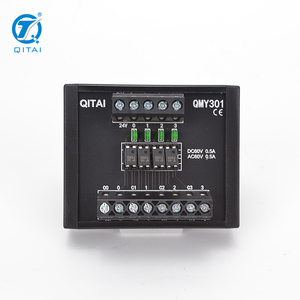
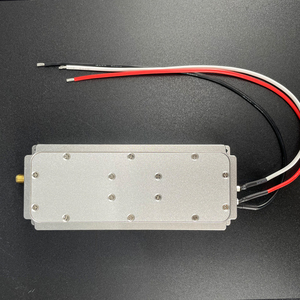
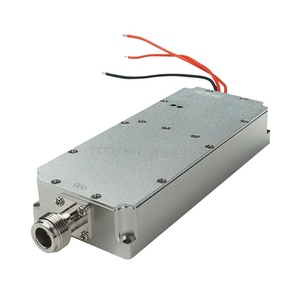
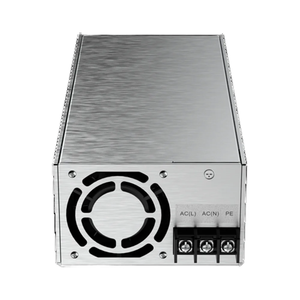
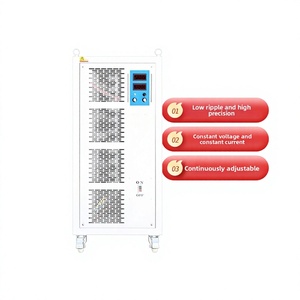
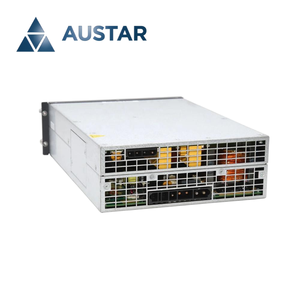
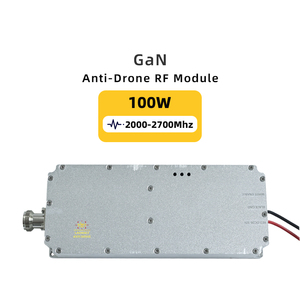
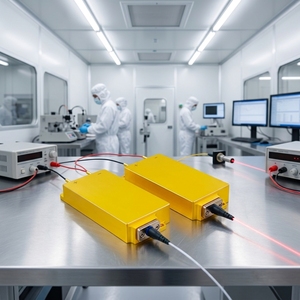
The high-power semiconductor sector is experiencing rapid innovation. Next-generation converter modules and RF amplification systems are pushing past legacy operational limits. Sourcing managers must evaluate suppliers against four technical vectors:
Replacing traditional Silicon MOSFETs with Gallium Nitride (GaN) and Silicon Carbide (SiC) switches significantly reduces reverse recovery losses and allows switching frequencies into the megahertz regime. This enables up to 50% physical volume reduction while handling greater current densities in products like the Ladasky 100W GaN RF Module and EV charging power units.
Conventional diode rectification generates substantial thermal dissipation at elevated output currents. Tier-1 module suppliers utilize actively controlled MOSFET synchronous rectifiers coupled with a two-stage conversion architecture. This minimizes conduction losses, simplifies heat-sink design, and enables fanless, conduction-cooled operations in sealed enclosures.
High-reliability systems now mandate real-time health monitoring. Advanced power supplies integrate RS485, CANbus, or PMBus communications. System engineers can dynamically trim voltages, monitor operating currents, track thermals, and log aging data remotely to prevent catastrophic system downtime.
EMC compliance failures are a primary cause of system deployment delays. Leading manufacturers engineer front-end power factor correction (PFC) and EMI filter modules that comply holistically with strict military (MIL-STD-461), avionics (DO-160), and railway (EN 50155) standards directly out of the box.
Global supply chain volatility and tightening regulatory demands have altered procurement strategies. Engineering leaders and purchasing professionals must adapt to three core strategic trends over the next decade:
Industrial, rail, and military platforms remain deployed for 15 to 30 years. Sourcing low-cost power bricks with short product lifecycles leads to expensive re-designs when underlying components go end-of-life (EOL). Elite suppliers guarantee form-fit-function replacement strategies and long-term component availability, insulating programs from redesign costs.
Datasheet nominal ratings can be misleading. Modern procurement protocols require evaluation of thermal derating curves under real-world operating conditions (e.g., baseplate temperature at 85°C or 100°C). Suppliers offering detailed thermal simulation models and direct access to field application engineers (FAEs) provide a measurable advantage.
While a highly efficient module (e.g., 95% vs 88%) may carry a higher initial Bill of Materials (BOM) price tag, the reduction in required heatsink mass, enclosure size, and active cooling requirements drastically lowers structural and operational costs over the lifetime of the system.
Combining rigorous manufacturing standards with deep engineering experience to deliver uncompromised power solutions.
Every module undergoes rigorous automated optical inspection (AOI), high-temperature burn-in testing, and parametric qualification to ensure flawless field operation under extreme thermal and mechanical shock.
Beyond standard catalog bricks, custom input ranges (e.g., 9V-60V wide input), non-standard pinouts, specialized cooling baseplates, and custom RF power output matching are rapidly engineered to meet program requirements.
Full component-level origin verification, RoHS / REACH environmental compliance, ITAR capabilities, and export documentation ensure seamless cross-border delivery to EU, US, and Asian industrial hubs.
Direct technical answers to common questions raised by electrical design engineers and procurement teams.
Connect directly with our application engineers and export specialists to discuss your electrical input specifications, thermal management requirements, and project lead times.
