Engineered for extreme environments, harsh industrial grids, marine platforms, and mission-critical communications.
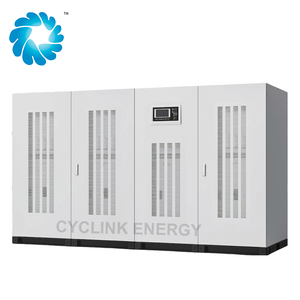
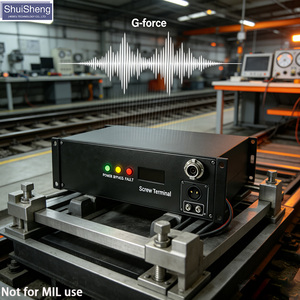
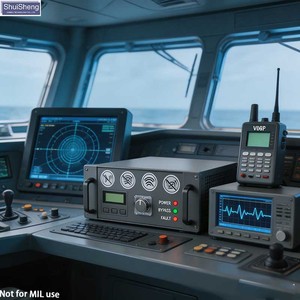
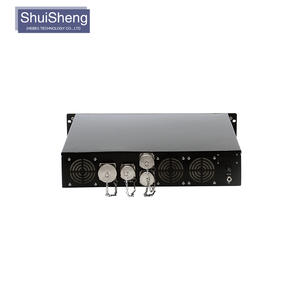
How modern power electronics manufacturing in China has transitioned from high-volume assembly to high-reliability, custom-engineered power conversion architectures.
When selecting a qualified AC-DC converter factory in China, global system engineers must look beyond basic unit cost. Modern mission-critical systems in defense, railway, avionics, and industrial automation require extreme thermal control, tight output voltage ripple, and compliance with rigorous EMC/EMI directives.
Leading Chinese manufacturing facilities have integrated modern Synchronous Rectifier (SR) topologies to replace conventional Schottky diodes with low RDS(on) MOSFETs driven by precise digital controllers. This structural enhancement eliminates fixed diode forward voltage drops ($V_f$), cutting conduction losses by up to 60% and enabling full-brick and half-brick AC-DC power converters to reach operating efficiencies exceeding 95% to 96.5%.
Furthermore, premier production lines feature automated multi-layer planar transformer winding. Unlike traditional wire-wound transformers, planar magnetic structures guarantee zero batch-to-batch leakage inductance variance, facilitating predictable electromagnetic interference (EMI) performance across thousands of manufactured units.
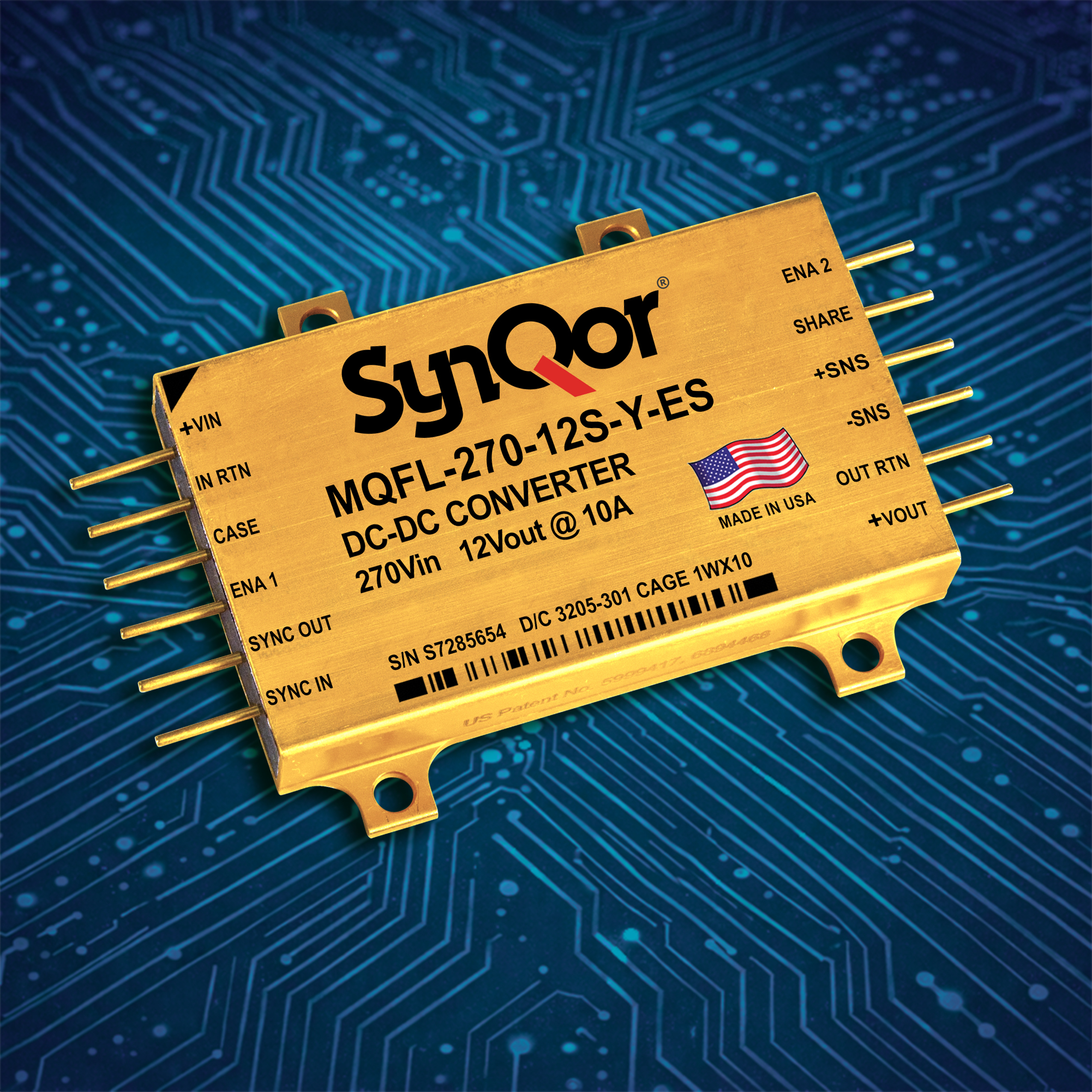
High-speed surface mount lines equipped with 3D Automated Optical Inspection (AOI) and 3D X-ray Inspection (AXI) ensure zero solder voiding under high-power GaN/SiC FET packages and planar cores.
Every industrial unit undergoes thermal shock cycling (-40°C to +85°C), dynamic high-temperature burn-in under full electrical load, and 100% automated electrical parameter verification.
Full component-level barcode tracking ensures complete lot traceability for critical semiconductor dies, electrolytic caps, and magnetic cores back to original silicon wafer lots.
How Wide-Bandgap (WBG) semiconductors, active power factor correction, and digital telemetry are reshaping global power module design.
The transition from silicon (Si) MOSFETs to Gallium Nitride (GaN) and Silicon Carbide (SiC) field-effect transistors represents the single largest leap in AC-DC power conversion density over the last decade. GaN devices offer ultra-low gate charge ($Q_g$) and zero reverse recovery charge ($Q_{rr}$), allowing switching frequencies to increase from 100 kHz up to 1 MHz+.
Higher switching frequencies drastically shrink passive components—specifically input filter inductors and output storage capacitors—enabling AC-DC converter power densities to exceed 100 Watts per cubic inch (W/in³).
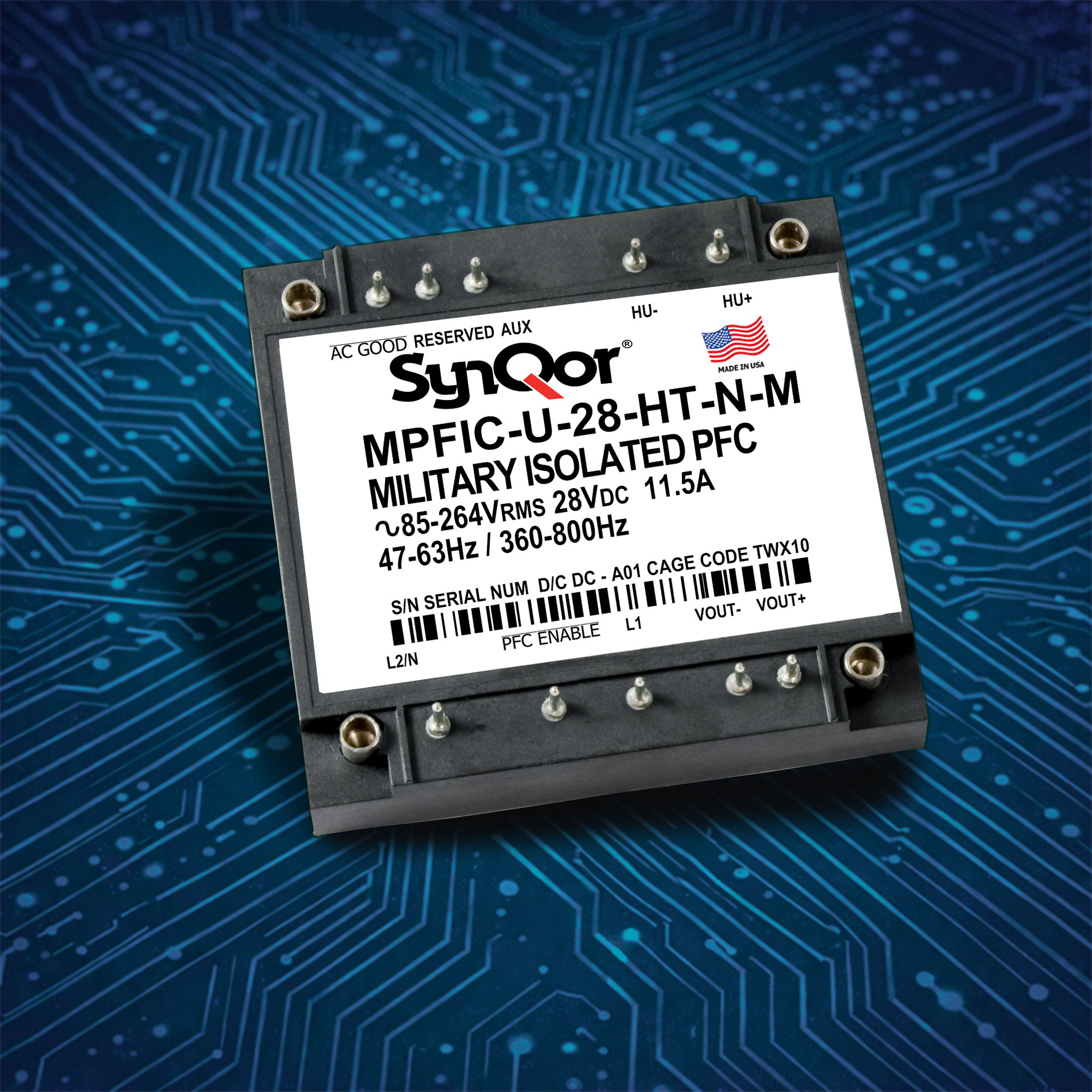
Industrial data centers, naval shipboard power networks, and heavy machinery require balanced line currents and negligible harmonic distortion. Next-generation AC-DC front-ends integrate isolated 3-phase Active PFC topologies operating in continuous conduction mode (CCM).
These systems achieve a Power Factor (PF) > 0.99 and Total Harmonic Distortion (THD) < 3%, fully satisfying stringent power quality standards such as MIL-STD-704(A-F), MIL-STD-1399, and EN 61000-3-2.
Analog PWM controllers are increasingly superseded by high-speed Digital Signal Processors (DSP) and ARM Cortex-M microcontrollers. Digital control loops allow dynamic compensation tuning, real-time telemetry over PMBus or CANbus interfaces, and predictive failure monitoring.
System architects can monitor real-time thermal junction temperatures, input supply surges, load current profiles, and output ripple degradation before an unexpected platform outage occurs.
In fanless industrial enclosures, sealed IP68 telecom cabinets, and high-altitude airborne pods, forced-air cooling is impractical or prohibited. Premier Chinese AC-DC factories utilize specialized aluminum-clad substrate PCBs, vacuum potting with high-thermal-conductivity epoxy (k > 3.0 W/m·K), and conduction-cooled baseplates capable of delivering 100% rated power at baseplate temperatures up to +100°C.
Strategic insights for OEM buyers, supply chain executives, and hardware engineering leads when selecting Chinese manufacturing partners.
Leading global buyers are shifting focus from initial unit purchase price to long-term operational TCO. High-efficiency AC-DC modules cut heat dissipation, lowering rack-level cooling energy expenses and extending overall system mean-time-between-failures (MTBF).
Industrial programs operate over 15 to 25 year lifecycles. Top China factories now offer multi-decade long-life guarantees, maintaining exact pinout, mechanical foot-print, and thermal mounting interfaces across silicon updates.
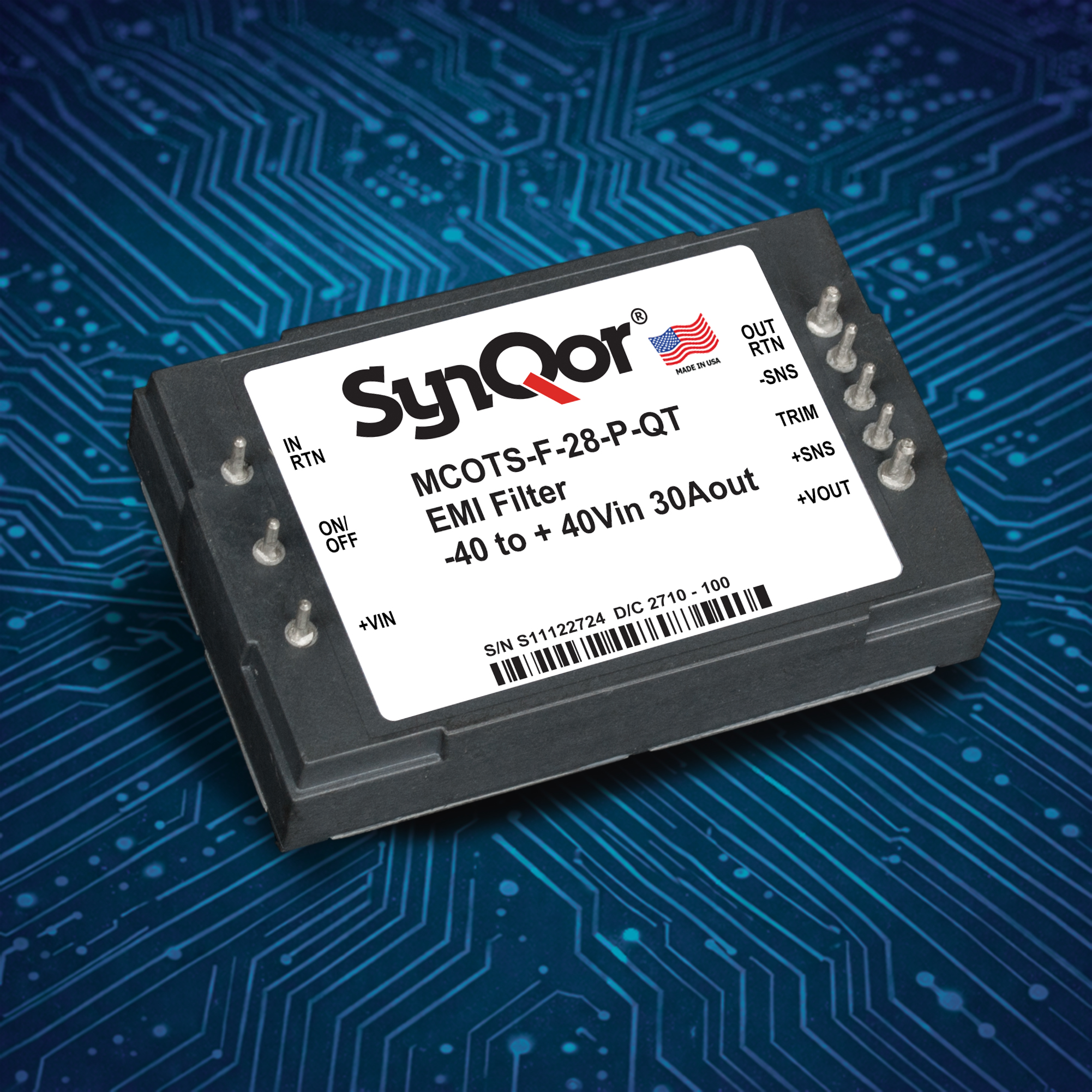
Rather than sourcing EMI line filters and AC-DC modules separately, modern procurement favors pre-characterized converter-plus-filter pairs certified to meet MIL-STD-461G and RTCA DO-160G out of the box, mitigating agency qualification risks.
We combine decades of synchronous rectification expertise with U.S. and European quality standard compliance. Our state-of-the-art Chinese manufacturing centers are engineered to eliminate power conversion bottlenecks for critical infrastructure.
Key considerations when specifying AC-DC power supplies, industrial UPS systems, and factory OEM capabilities.
Synchronous rectification replaces passive silicon diodes with active power MOSFETs featuring ultralow on-state resistance (RDS(on)). This drastically cuts conduction loss ($P_{loss} = I^2 \cdot R_{DS(on)}$ vs $P_{loss} = I \cdot V_f$), boosting efficiency up to 96%, reducing internal heat generation, and enabling compact, conduction-cooled baseplates.
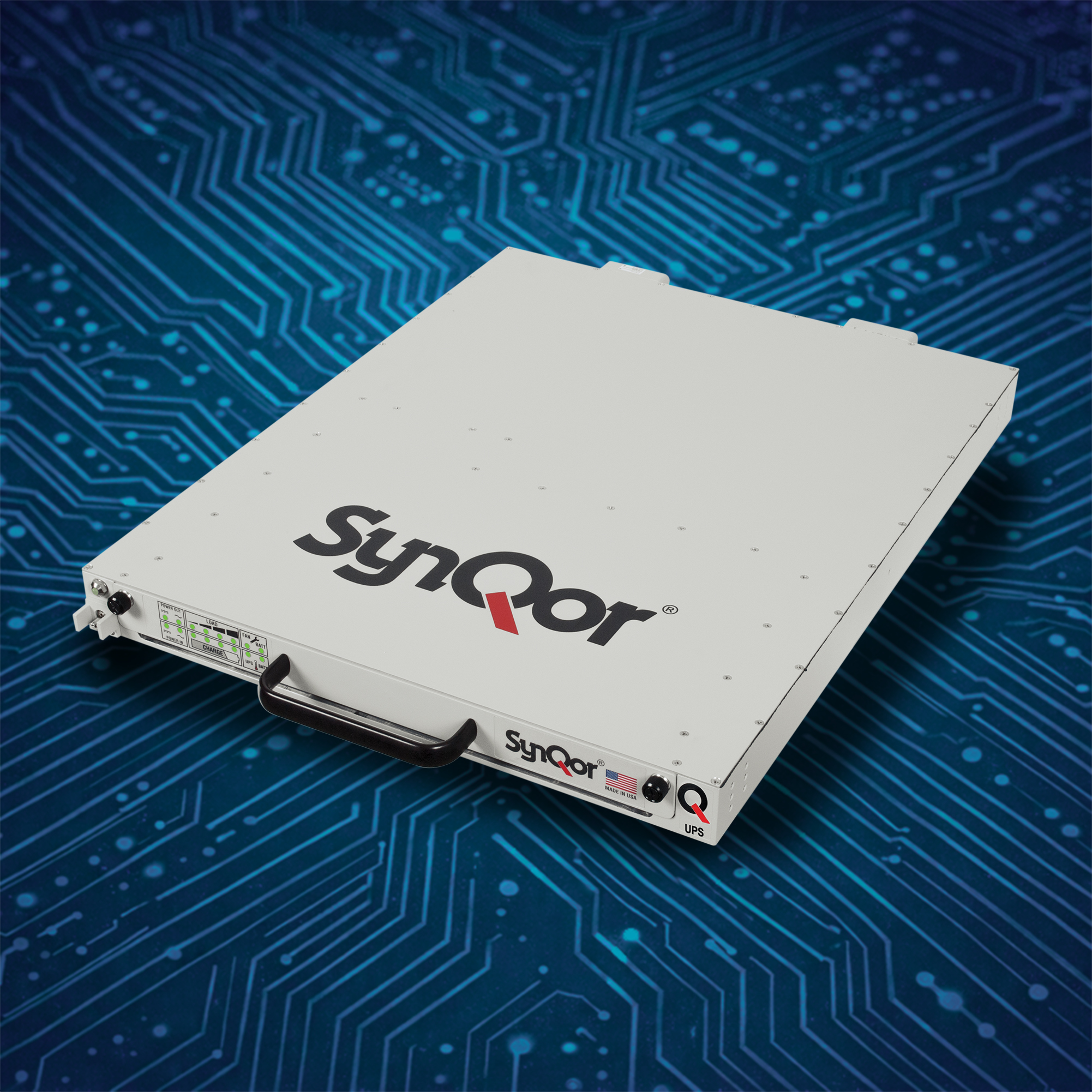
Our power converters and UPS systems are engineered to meet MIL-STD-704(A-F), MIL-STD-461(C-F), MIL-STD-1275, MIL-STD-1399, MIL-STD-810G, RTCA DO-160G for airborne systems, EN 50155 for rail rolling stock, and IEC 60601-1 (4th Edition) for medical electrical equipment.
We utilize metal-core PCBs, high-conductivity thermal potting materials (k > 3.0 W/m·K), and zero-airgap aluminum baseplates. This allows full rated power output at baseplate temperatures ranging from -40°C to +100°C without requiring external cooling fans.
Yes. Our in-house R&D team specializes in modifying transformer turns ratios, feedback loop bandwidths, enclosure dimensions, and mounting pinouts to match legacy client systems or non-standard industrial voltage buses (e.g., 110Vdc, 28Vdc, 3-Phase 115Vrms 400Hz).
All units undergo 100% automated optical and X-ray inspection, thermal shock cycling, continuous full-load burn-in at elevated temperatures, and high-voltage isolation breakdown testing up to 4242 Vdc (2×MOPP rating).
Standard off-the-shelf samples ship within 3 to 5 business days. Modified or fully custom prototypes are typically delivered within 3 to 5 weeks, supported by low MOQ requirements for initial engineering evaluation runs.
Submit your electrical parameters, thermal constraints, load profile, and compliance list. Our senior power application engineers will review your design chain within 24 hours.
