Naval Electrical Systems & COTS Power Solutions

CE Certified Naval Power Factories & Supplier

High-reliability marine-grade power conversion modules, silent containerized diesel gensets, PLC signal amplifiers, and robust shipboard power distribution systems.

CE Certified Marine & Naval Power Systems

Engineered for extreme maritime environments, offering complete compliance with CE Directives, MIL-STD-1399, MIL-STD-461, and high-density synchronous rectification standards.

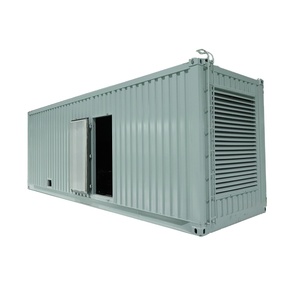
CE & ISO Portable Marine 450KW Power Silent Generator Set Container

Portable Marine 450KW/563KVA Power Silent Generator Set Container

Heavy-duty containerized marine diesel generator engineered for continuous shipboard backup and dockside auxiliary power supply. Features acoustic soundproofing and sea-water thermal exchanger integration.

450KW / 563KVA Containerized Silent Dual Frequency
Inquire Now
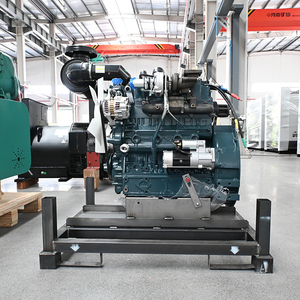
CE Certified Kubota Silent Marine Diesel Generator For Yacht

Sea Water Silent Marine Diesel Generator For Yacht & Patrol Craft

Compact 8kW–75kW marine genset powered by Kubota diesel engines. Built with raw seawater cooling heat exchangers and low-vibration double-isolated mounting systems for naval vessels and luxury yachts.

8kW - 75kW Options Seawater Cooled Low THD
Inquire Now
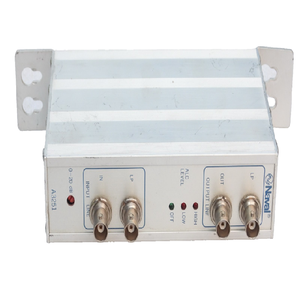
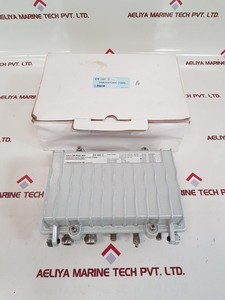
Mil-COTS PLC Naval Electronics A3251 Marine-grade Power Supply Module

PLC Naval Electronics A3251 Marine-Grade Signal Amplifier & Power Module

High-precision signal conditioning power module with 0-20dB gain control. Specifically designed to withstand shipboard electromagnetic interference (EMI) and harsh vibration parameters.

0-20dB Gain Naval Grade Filtered DC Output
Inquire Now
CE Certified Remote Start Marine Genset Inverter Sea Salt Water Cooled Generator

3-12KW 60Hz Remote Start Inverter Marine Diesel Generator

Ultra-quiet variable speed inverter generator equipped with cupronickel sea salt water cooling loops and remote digital CAN-bus activation for marine auxiliary electrical networks.

3-12KW Pure Sine Salt Water Cooled CAN-Bus Ready
Inquire Now
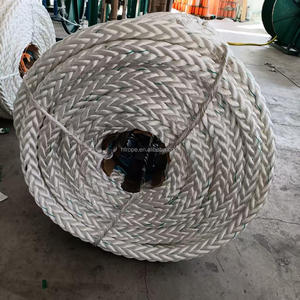
Heavy Duty Naval Vessels Power Supply Construction Polyester Rope

Naval Power Supply Line Construction Ropes & Heavy Towing Lines

96mm 12-strand ultra-high molecular polyester line tailored for naval power umbilical cable pulling, ship-to-ship refueling, power supply barge mooring, and trailer rigging.

96mm 12-Strand High Tensile Salt & UV Resistant
Inquire Now
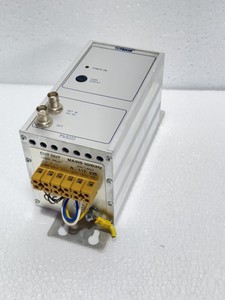
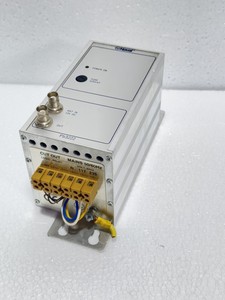
Industrial Grade PLC Naval Power Supply PB3222 24V 50/60Hz

PLC Naval Power Supply Module PB3222 24V 50/60Hz

Regulated 24V DC shipboard power supply module optimized for naval automation racks, bridge control systems, and continuous industrial monitoring platforms.

24V DC Output 50/60Hz Universal Redundant Circuit
Inquire Now
High Density PLC NAVAL ELECTRONICS PSA30V Power Supply 20W

PLC NAVAL ELECTRONICS PSA30V Power Supply Module 20W

Ultra-compact 20W naval power supply module featuring active transient suppression and wide operating thermal envelopes (-40°C to +85°C baseplate operations).

20W Output Conduction Cooled MIL-STD-461 EMI
Inquire Now
CE Certified PLC Naval PB3222 Power Supply 24V 50/60Hz Module

PLC Naval Industrial Power Converters & PB3222 Supply Units

Heavy-duty marine power supply module engineered for dual-bus naval architecture. Fully compliant with CE electrical safety directives and shock/vibration standards.

Dual Bus Ready Ruggedized Case Overload Protection
Inquire Now

Naval Power Conversion Performance Indicators

Our manufacturing facilities enforce process-centered quality frameworks exceeding standard ISO-9001 and AS9100 defense specs.

Up to 96.5%
Peak Synchronous Rectification Efficiency
MIL-STD
1399 / 704 / 461 / 810G Qualified
250,000+
Hours Demonstrated MTBF (Telcordia SR-332)
100% CE
LVD & EMC Directive Compliant

CE Certified Naval Power Engineering & Factory Architecture

Understanding the transition from traditional diode-rectified power modules to solid-state, high-efficiency synchronous topologies in modern naval, defense, and maritime vessel applications.

Synchronous Rectification Topology

By replacing lossy output diodes with actively driven MOSFET switches, our naval power modules eliminate fixed forward-voltage drops. This two-stage topology drastically lowers internal conduction dissipation, enabling sealed conduction-cooled enclosures to operate under high ambient thermal loads without forced air cooling.

Integrated Filter-Converter Compliance

Naval power platforms frequently fail electromagnetic compatibility (EMC) testing at the interface between external line filters and DC-DC converters. Our factory engineers design and qualify EMI filters and power conversion modules as unified chains, ensuring full compliance with MIL-STD-461 and EN 60945 standard parameters.

Wide Input Voltage & Transient Immunity

Shipboard electrical grids experience severe voltage spikes, harmonic distortions, and brownouts caused by heavy motor startups. Our CE certified naval power units feature ultra-wide DC and 3-phase AC input ranges with active power factor correction (PFC), easily handling MIL-STD-1399 300B transients.

1. The Critical Role of CE Certification & Defense Standards in Shipboard Power Systems

Naval vessels, ranging from surface combatants and fast patrol boats to commercial cargo carriers, represent one of the most electrically demanding operating environments in modern engineering. Power conversion hardware installed on ships must balance tight space limits with extreme operational stress: salt-fog corrosion, high humidity, continuous vibration, mechanical shock, and unconditioned line transients.

Attaining CE Certification for naval power equipment requires compliance with both the Electromagnetic Compatibility (EMC) Directive 2014/30/EU and the Low Voltage Directive (LVD) 2014/35/EU, alongside specialized marine directives such as EN 60945 for maritime navigation and radiocommunication equipment. Factory suppliers catering to international naval programs must maintain rigorous quality control loops to ensure every module—from board-level PLC signal amplifiers to 450KW silent container gensets—operates reliably over multi-decade service lifecycles.

Key Engineering Takeaway: Unlike industrial power supplies, naval-grade modules must maintain zero-derating performance under high baseplate temperatures (+85°C to +100°C) while upholding total galvanic isolation between input, output, and chassis ground.

2. Architectural Evolution of Naval Power Electronics

Historically, shipboard power networks relied on heavy step-down transformers and diode-bridge rectifiers. These legacy systems suffered from low efficiency (typically 75%–82%), high heat dissipation, and excessive weight. Modern naval architecture has transitioned toward distributed DC power microgrids and compact COTS (Commercial-Off-The-Shelf) power building blocks.

Using advanced Silicon Carbide (SiC) and Gallium Nitride (GaN) power MOSFETs, modern naval power converter modules achieve efficiency ratings exceeding 96%. Lower thermal dissipation translates directly into smaller heatsink footprints, extended Mean Time Between Failures (MTBF), and the complete elimination of noisy, failure-prone cooling fans inside sealed bridge electronics racks.

Naval Power Procurement & Development Trends (2026–2035)

As defense forces and commercial fleets move toward hybrid-electric propulsion and digital microgrids, procurement specifications are undergoing fundamental shifts.

1. Adoption of Modular Mil-COTS Architectures

Naval procurement agencies are increasingly abandoning custom legacy power supplies in favor of standardized, pre-qualified Mil-COTS (Military Commercial-Off-The-Shelf) bricks. Standard half-brick and full-brick form factors allow system integrators to swap components instantly, drastically cutting life-cycle maintenance costs and shortening ship refit schedules.

2. Zero-Emission Auxiliary Power & Micro-Gensets

Environmental regulations and stealth mandates are driving demand for ultra-quiet, variable-speed auxiliary diesel generators and fuel-cell interface converters. Future containerized gensets incorporate active noise cancellation, cupronickel salt-water heat exchangers, and pure sine-wave inverter outputs to power sensitive tactical radar arrays without line harmonic pollution.

3. Digital Health Monitoring & CAN-Bus PLC Integration

Modern naval power supply units are no longer passive components. Next-generation power supplies, such as the PLC PB3222 and PSA30V modules, incorporate embedded microcontrollers that stream real-time telemetry—including input line quality, baseplate temperature, load current, and capacitor health—directly to the ship's Integrated Platform Management System (IPMS).

Naval Power Supply Technical Procurement Matrix

Product Category Typical Input Envelope Target Standards Cooling Architecture Primary Naval Application
Containerized Gensets (450KW) Diesel Fuel / Dual Voltage 400V-480V AC CE, ISO 8528, MARPOL Tier II/III Seawater / Radiator Dual Loop Shipboard Emergency Power / Dockside Auxiliary
Auxiliary Yacht Gensets (8-12kW) Diesel / Seawater Heat Exchanger CE, EN 60034, EN 55012 Raw Seawater Direct Exchange Naval Patrol Boats, Luxury Yachts, Tender Craft
PLC Electronics Modules (24V) 18-36V DC / 85-264V AC CE LVD/EMC, MIL-STD-461G Conduction Baseplate / Natural Convection Bridge Control Racks, Combat Management Systems
Marine Signal Amplifiers 12V - 24V DC Regulated Input CE, IEC 60945, MIL-STD-810G Aluminum Sealed Enclosure Sonar Processing, Radar Signal Conditioning

Factory Direct Strengths & OEM/ODM Capabilities

As a dedicated supplier and manufacturer of CE certified naval power electronics, we provide end-to-end engineering support from schematic design to post-delivery qualification testing.

Advanced Manufacturing Facility

Our automated surface-mount assembly lines (SMT), automated optical inspection (AOI), and environmental stress screening (ESS) chambers ensure every power module withstands harsh thermal cycling (-55°C to +105°C storage) and high-G shock profiles before leaving the factory floor.

Complete Traceability & Longevity Protection

Naval ship programs run for 20 to 30 years. We protect defense contractors and shipyard builders against unexpected component obsolescence by offering documented qualification records, long-lifecycle component sourcing, and guaranteed form-fit-function replacement modules.

Custom Engineering & Rapid Prototyping

Whether you require custom output voltage trimming, dual redundant internal circuitry, specific marine pinouts, or specialized IP67 ruggedized enclosures, our naval power application engineering team delivers fast-turn prototypes tailored to your exact specification list.

Frequently Asked Questions (FAQ)

Detailed answers to technical and commercial questions commonly asked by naval system integrators, electrical engineers, and shipyard buyers.

What makes CE certified naval power supplies different from standard industrial power units?

CE certified naval power supplies are specifically designed and tested to withstand the extreme environmental and electrical conditions found on sea vessels. Unlike standard industrial supplies, marine-grade units undergo rigorous testing for humidity resistance, salt-fog corrosion, high mechanical shock and vibration (IEC 60068 / MIL-STD-810G), and stringent electromagnetic compatibility (EN 60945 / MIL-STD-461). Furthermore, naval units utilize conformal coating on all internal PCBs and incorporate specialized heat dissipation topologies (such as conduction-cooled baseplates) so they can operate reliably inside sealed, IP-rated enclosures.

How do your naval power converters achieve high conversion efficiency (up to 96%)?

Our naval power modules utilize advanced synchronous rectification technology combined with a two-stage power conversion topology. Traditional converters use Schottky diodes to rectify output current, which dissipates significant energy as heat due to the diode's fixed forward voltage drop. By replacing diodes with actively controlled, low-on-resistance MOSFET switches, conduction losses are drastically reduced. This keeps internal heat generation low, maximizes power density, and extends overall system reliability.

Can your power modules and diesel generators handle unconditioned line voltage spikes?

Yes. Shipboard power distribution grids frequently suffer from severe voltage fluctuations, inductive load switching transients, and temporary brownouts. Our AC-DC power converters feature active Power Factor Correction (PFC) front-ends compliant with EN 61000-3-2 and MIL-STD-1399 Class 300. Additionally, our DC-DC converter bricks and transient filter modules absorb high-voltage transients up to 210V for extended durations, delivering smooth, ripple-free regulated DC power to critical down-stream electronics.

What cooling options are available for your marine generator sets and power modules?

For marine diesel generators (such as our 450KW container units and Kubota-powered yacht gensets), cooling is handled via heavy-duty cupronickel raw-seawater heat exchangers and closed-loop fresh-water jackets. For power converter bricks (such as the PLC PB3222 and PSA30V modules), we utilize aluminum baseplate conduction cooling. This allows heat to be transferred directly to the metal chassis of the equipment enclosure, eliminating the need for cooling fans that can draw in corrosive salt air.

Do you support long-term product availability for multi-decade naval defense contracts?

Yes. We specialize in serving defense, naval, and heavy industrial programs that demand 15 to 25+ year lifecycle support. We mitigate component obsolescence risks through careful bill-of-materials (BOM) management, strategic component stocking, and by engineering direct form-fit-function replacement drop-in alternatives whenever semiconductor vendors deprecate active devices.

Require CE Certified Power Solutions for Your Naval Project?

Contact our application engineering team today to request detailed product datasheets, 3D CAD models, CE compliance certificates, or a customized factory quote.