
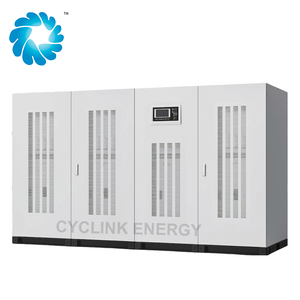
Industrial UPS for Energy, Transportation & Marine Operations
High-efficiency industrial UPS system featuring advanced lithium battery backup, designed for rugged power resilience in aviation, marine transport, and heavy metallurgy installations.
Explore our flagship lineup of industrial marine power supply systems, engineered with anti-salt corrosion, high surge resistance, IP68 ingress protection, and advanced lithium battery integration for mission-critical marine operations.
High-efficiency industrial UPS system featuring advanced lithium battery backup, designed for rugged power resilience in aviation, marine transport, and heavy metallurgy installations.
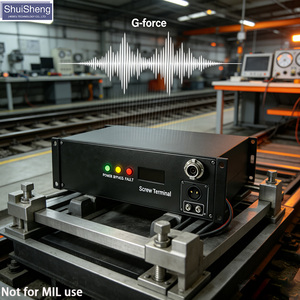
Anti-salt spray, anti-mold, and anti-corrosion sealed outdoor UPS system engineered for offshore platforms, coastal telecom nodes, and harsh marine environments.
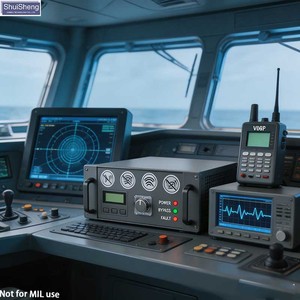
Heavy-duty marine UPS designed with structural reinforcement to withstand intense physical shock, mechanical stress, and hull vibrations on commercial vessels.
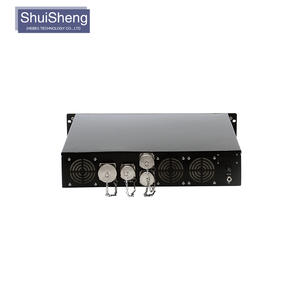
Precision online double-conversion power backup engineered for maritime vessel navigation control, port automation, and railway signaling systems.
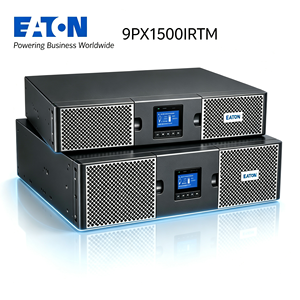
Compact 1:1 power factor 1500W rackmount UPS built for bridge electronics, server racks, radar consoles, and maritime navigation suites.

Three-phase high-capacity uninterruptible power supply providing clean, filtered sine-wave power for shipboard data centers and offshore control rooms.
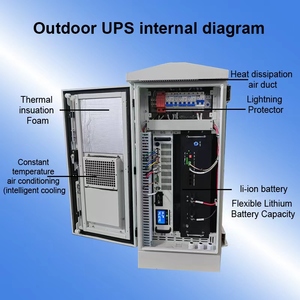
Ultra-reliable 8000Wh extended backup capacity outdoor UPS featuring heavy-duty surge suppression for marine communication arrays and coastal stations.
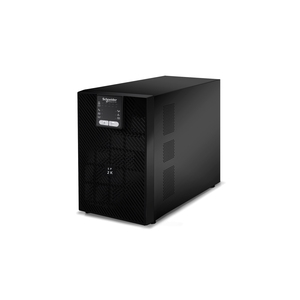
Specialized single-phase power supply with integrated battery storage engineered to withstand severe voltage fluctuations on wind platforms and vessels.
An authoritative technical analysis for marine electrical system architects, naval engineers, and global procurement managers operating under harsh maritime conditions.
Navigating the complex electromagnetic and environmental landscapes of modern vessels requires marine power factories to strictly enforce CE certification compliance. Unlike terrestrial commercial power supplies, marine electrical infrastructure must satisfy rigorous directives, primarily the Low Voltage Directive (LVD 2014/35/EU) and the Electromagnetic Compatibility (EMC) Directive (2014/30/EU), complemented by EN 60945 standards for maritime navigation and radiocommunication equipment.
Within a vessel's enclosed steel hull or an offshore oil platform, unmitigated conducted emissions or harmonic distortions can disrupt vital radar, sonar, and dynamic positioning systems. Certified marine power factories employ high-order active Power Factor Correction (PFC) modules and multi-stage electromagnetic interference (EMI) filtering to suppress noise generation across 10 kHz to 30 MHz spectra.
Technical Note: Achieving true CE compliance in marine power manufacturing demands rigorous testing under extreme line frequency variations (45 Hz to 440 Hz) and transient voltage spikes exceeding 2kV per MIL-STD-1399 Class 300 testing protocols.
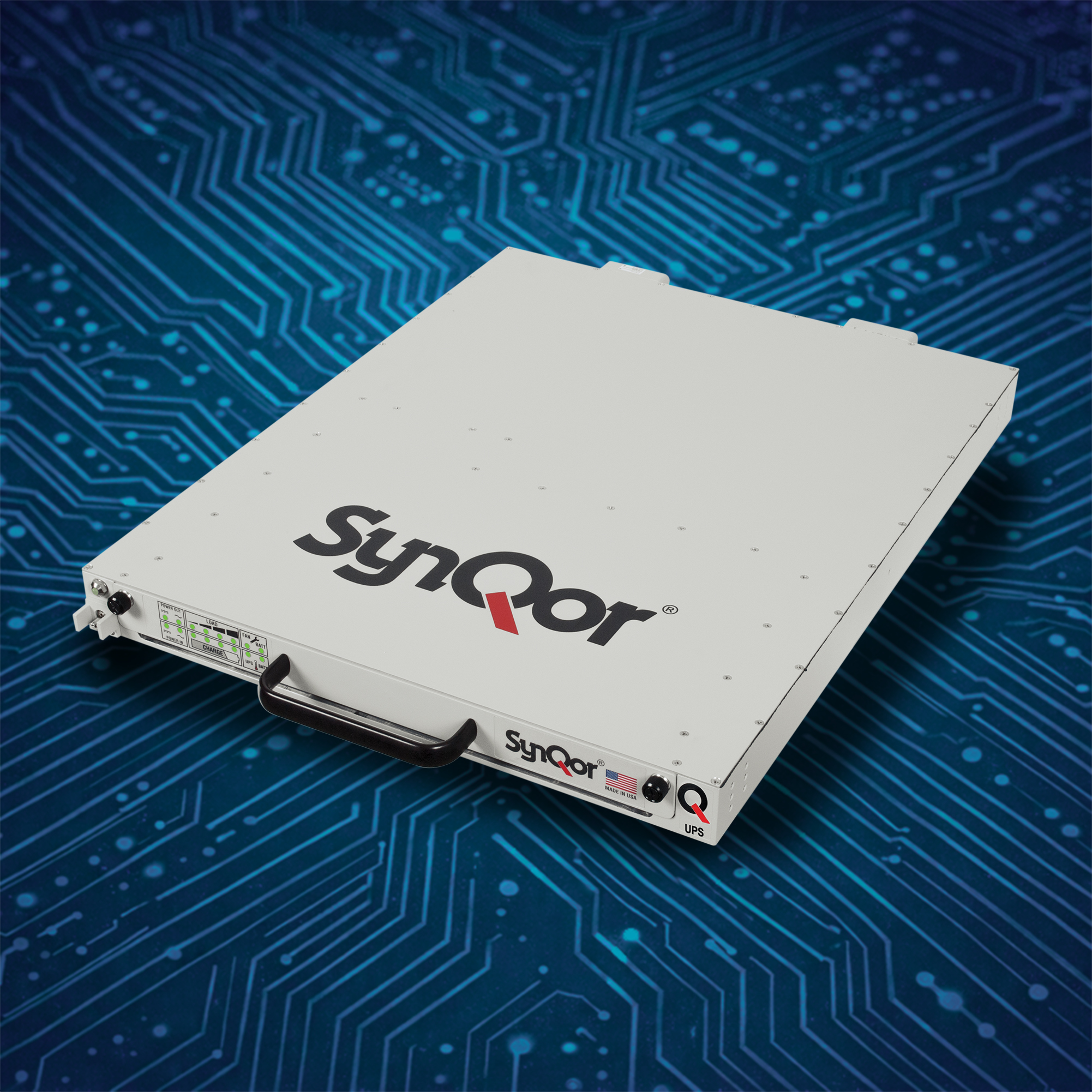
By substituting conventional lossy Schottky diodes with actively driven, low RDS(on) power MOSFETs, certified factories minimize conduction losses by up to 65%. This two-stage conversion topology slashes internal power dissipation, allowing sealed IP67/IP68 enclosures to operate via conduction cooling without vulnerable forced-air fans.
Salt spray, high humidity, and airborne fungi present continuous degradation threats to offshore power conversion electronics. Leading factories utilize automated conformal coating (MIL-I-46058C grade polyurethane/acrylic resins) and heavy nickel-plated aluminum enclosures to guarantee zero-corrosion operations over multi-decade lifecycles.
Unbalanced three-phase loads on shipboard generators introduce zero-sequence harmonics and neutral conductor overheating. Modern marine UPS factories incorporate isolated 3-phase Active PFC modules that maintain total harmonic distortion (THD) below 3% while keeping power factor above 0.99.
| Performance Parameter | Standard Commercial UPS | Industrial Heavy UPS | CE Certified Marine Grade Power System |
|---|---|---|---|
| Operating Temperature Range | 0°C to +40°C | -10°C to +50°C | -40°C to +70°C (Conduction Cooled) |
| Ingress Protection (IP Rating) | IP20 / IP30 (Open Vented) | IP54 (Filter Mat Fan) | IP66 / IP68 (Fully Hermetically Sealed) |
| Corrosion Resistance | Standard Powder Coating | Zinc-Coated Steel Sheet | Anti-Salt Fog, Anti-Fungi, Anodized Al/316 Stainless |
| Vibration & Shock Immunity | IEC 60068-2-6 Basic | 1.0g RMS (Light Industrial) | MIL-STD-810G / IEC 60945 (Up to 4g RMS & 40g Shock) |
| Electromagnetic Compliance | EN 55032 Class A | EN 61000-6-4 Industrial | CE EMC 2014/30/EU, MIL-STD-461G & IEC 60945 |
| Battery Chemistry Options | Standard VRLA Lead-Acid | High-Rate VRLA | Advanced LiFePO4 with Intelligent BMS Integration |
How decarbonization, wide-bandgap semiconductors, and digital twin technology are shaping the next decade of maritime electrical power procurement.
The transition from silicon IGBTs to Silicon Carbide (SiC) and Gallium Nitride (GaN) switching devices represents a structural shift in marine power design. SiC MOSFETs allow switching frequencies up to 5 times higher, dramatically shrinking magnetics (transformers and inductors) and dropping module weight by up to 45% while achieving 98%+ power stage efficiency.
Maritime buyers are systematically phasing out toxic, heavy VRLA lead-acid batteries in favor of Lithium Iron Phosphate (LiFePO4) chemistry. Certified marine factories now integrate smart Battery Management Systems (BMS) with real-time cell balancing, thermal runaway isolation, and CANbus/Modbus integration.
Procurement teams increasingly require marine UPS units and power converters equipped with IoT telemetry. By monitoring junction temperatures, capacitor equivalent series resistance (ESR) degradation, and input line quality, maintenance shifts from reactive replacement to predictive intervention.
Shipbuilding programs require service support spanning 20 to 30 years. Modern procurement strategies prioritize OEM factories offering form-fit-function replacement guarantees, full raw material traceability (AS9100/ISO-9001), and non-commercial component derating profiles.
Proven engineering legacy, rigorous environmental validation, and end-to-end quality control engineered to surpass international maritime standards.

Our manufacturing workflow operates under strict process discipline. Every assembly step is tracked, tested, and archived, ensuring full component traceability and repeatability across high-volume production batches.

Equipped with thermal shock chambers, 3-axis vibration tables, and anechoic EMC chambers, our factories validate every design against CE, MIL-STD-810G, and IEC 60945 prior to third-party agency sign-off.

Whether you require customized input ranges (e.g., 440V 3-phase shipboard lines), ultra-low profile rackmount chassis, or specialized IP68 outdoor enclosures, our application engineers deliver tailored topologies.
Addressing key engineering, compliance, and deployment queries for CE certified marine UPS and power converter systems.
To qualify for CE certification in marine applications, a power supply must comply with both the Low Voltage Directive (LVD 2014/35/EU) and the Electromagnetic Compatibility (EMC) Directive (2014/30/EU). In addition, maritime installations require compliance with EN 60945 standards, which mandate testing for immunity against high-level conducted RF disturbances, electrostatic discharge (ESD), voltage surges, severe cold/dry heat temperature cycling, and continuous vibration exposure.
An IP54 rating protects against splash water and limited dust ingress, typically relying on louvered vents with filter mats and internal cooling fans. In contrast, an IP68 marine UPS is completely dust-tight and hermetically sealed against long-term water immersion under pressure. IP68 systems utilize conduction cooling through heavy aluminum heat sinks, internal potted electronics, and specialized marine-grade circular connectors, eliminating air exchange and preventing salt fog condensation inside the enclosure.
In sealed marine enclosures (IP66 to IP68), internal heat dissipation must be minimized because forced-air cooling is impossible. Synchronous rectification replaces output Schottky diodes—which exhibit fixed voltage drops and high thermal losses—with low-resistance MOSFETs. This lowers internal power loss by 50% to 65%, significantly boosting conversion efficiency up to 96% and allowing heat to be easily sinked through the outer chassis.
Yes. Our factory engineering teams specialize in designing custom power conversion stages compatible with ungrounded 3-phase shipboard electrical distribution networks (e.g., 115V Delta, 440V 3-phase 60Hz, or 380V 50Hz). Integrated isolated Active PFC front ends ensure balanced line currents and prevent phase imbalance harmonics from affecting sensitive navigation equipment.
While traditional VRLA lead-acid batteries are still used for budget installations, Lithium Iron Phosphate (LiFePO4) is the industry standard for modern vessel deployments. LiFePO4 offers 3x longer cycle life, superior energy density, faster recharge times, and built-in Battery Management Systems (BMS) with automated cell balancing. Furthermore, LiFePO4 does not release hydrogen gas during charging, removing the safety hazard associated with sealed vessel compartments.
All printed circuit board assemblies (PCBAs) undergo automated dual-layer conformal coating compliant with MIL-I-46058C specs to resist fungi and moisture. Hardware components utilize 316-grade stainless steel fasteners, passivated copper busbars, and hard-anodized marine aluminum enclosures treated with anti-salt mist coatings that pass 1,000-hour ASTM B117 salt spray tests.
Consult with our marine application engineers to review your vessel line profile, thermal constraints, space envelope, and certification targets before finalizing your engineering BOM.